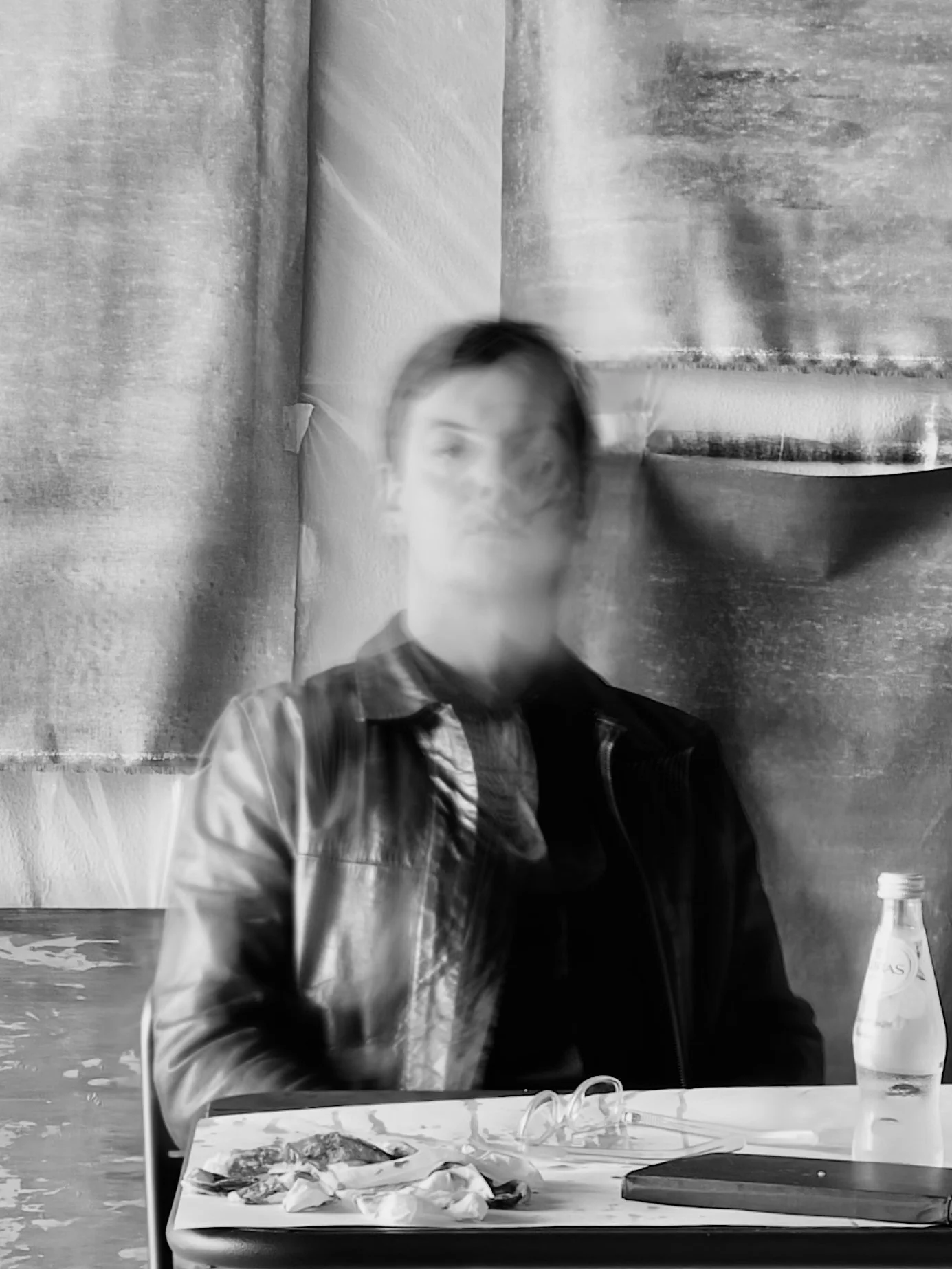
Frederik Erfurt is a Danish artist working across painting, photography, moving image, and material experimentation. His works bring color, light, and surface into active relation.
Images gather traces of what has come before while changing in the present. Reflection, duration, and the viewer’s movement alter what comes into view. Each work holds a space for what may emerge next.
The artworks occupy a space between abstraction and representation, permanence and instability, where perception remains in motion and meaning is continually renegotiated.
Frederik Erfurt (b. 1990) is a Danish artist working across painting, photography, moving image, and material experimentation. His practice asks how images take form, how they change, and what they make perceptible in the present. An image may carry the trace of an earlier moment while remaining open to what follows.
Across still and moving images, painted surfaces, and works incorporating glass, Erfurt brings photographic and painterly processes into conversation. Light, color, reflection, and material are not simply used to depict something; they shape the conditions through which it can be seen. The image shifts with time, distance, and the viewer’s position.
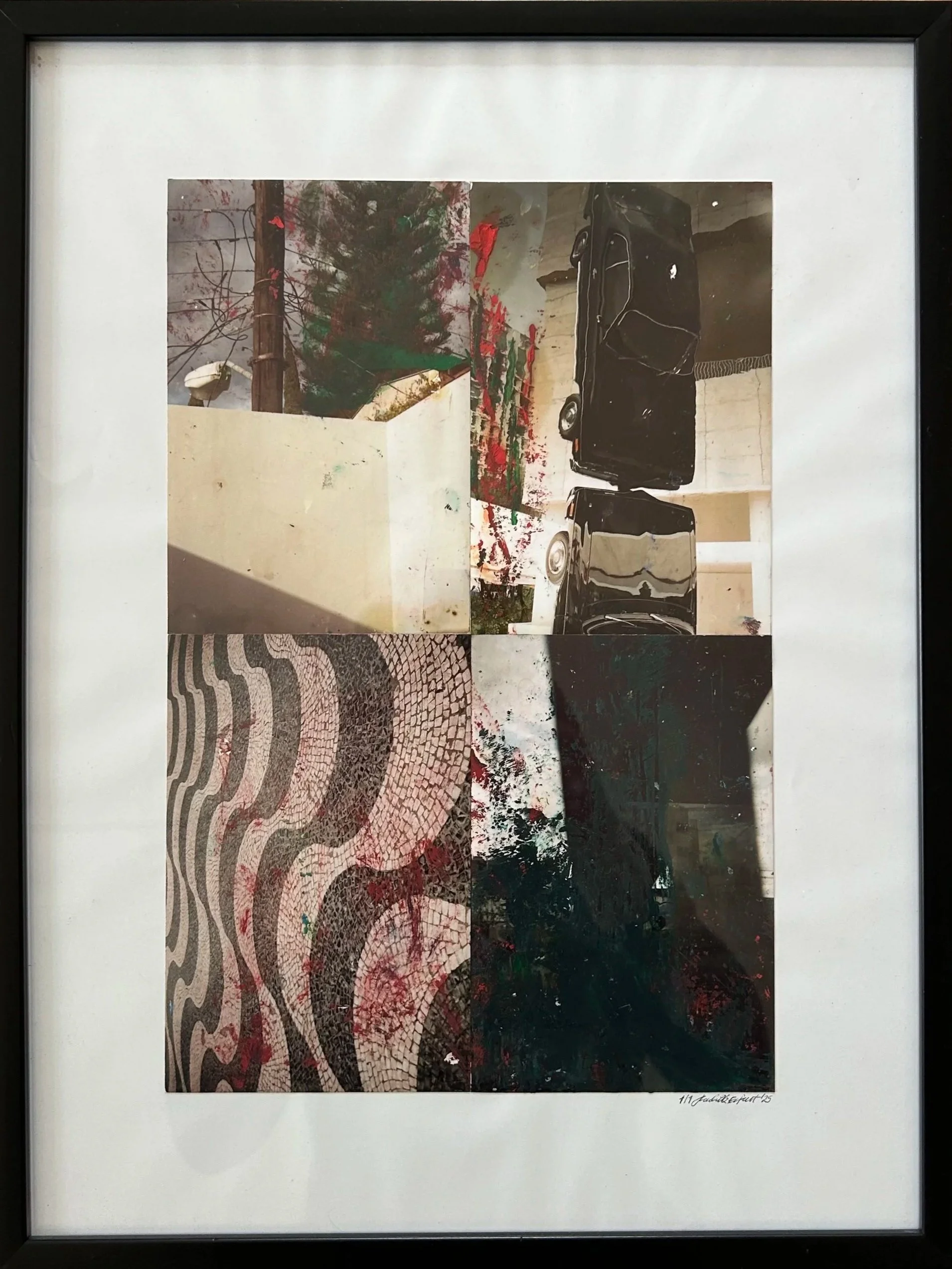
His works retain the marks of their making. Exposure, layering, transfer, and intervention leave variations and interruptions within the surface. These are held alongside intention, allowing an image to remain in motion between resolution and change, presence and memory.
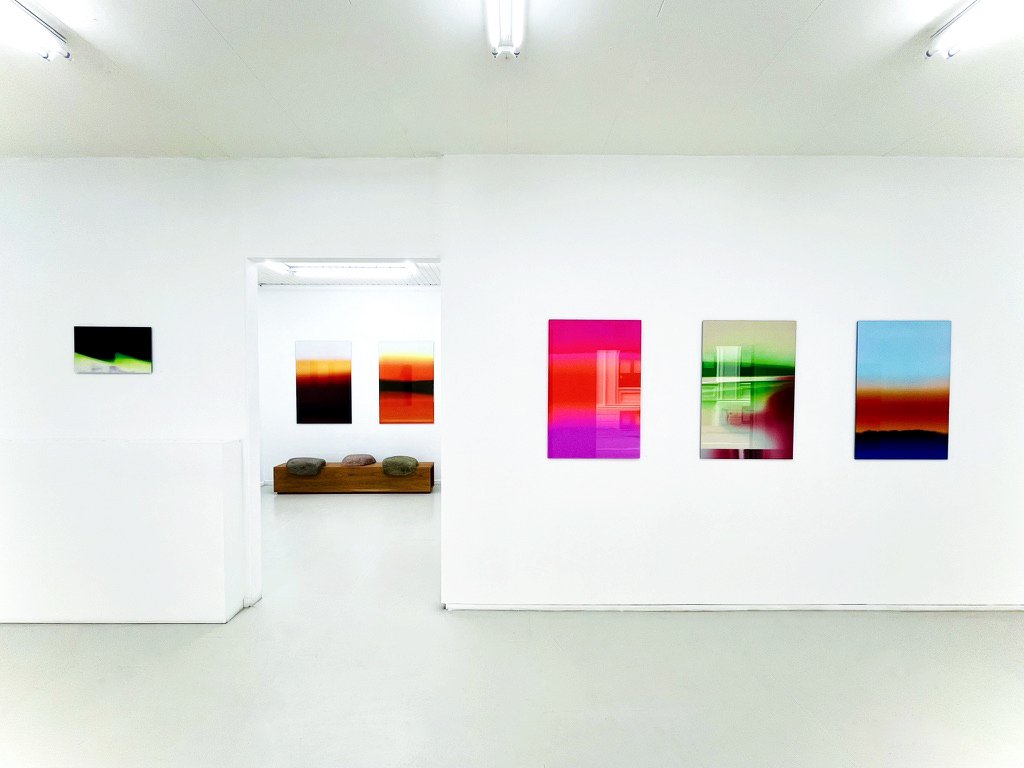
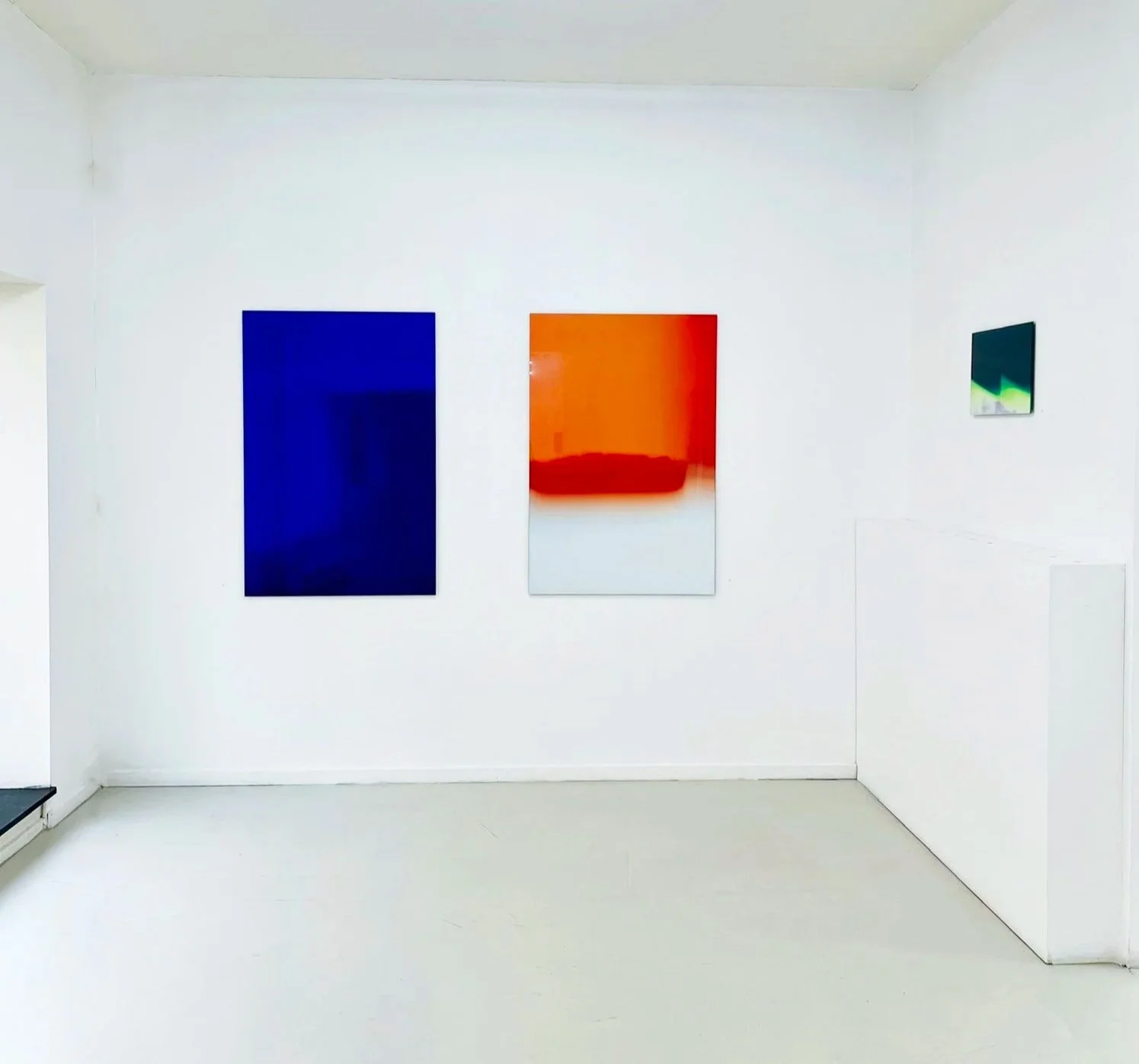
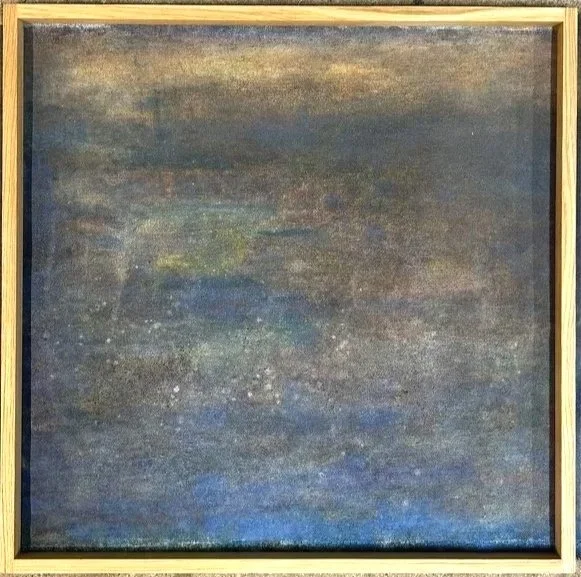
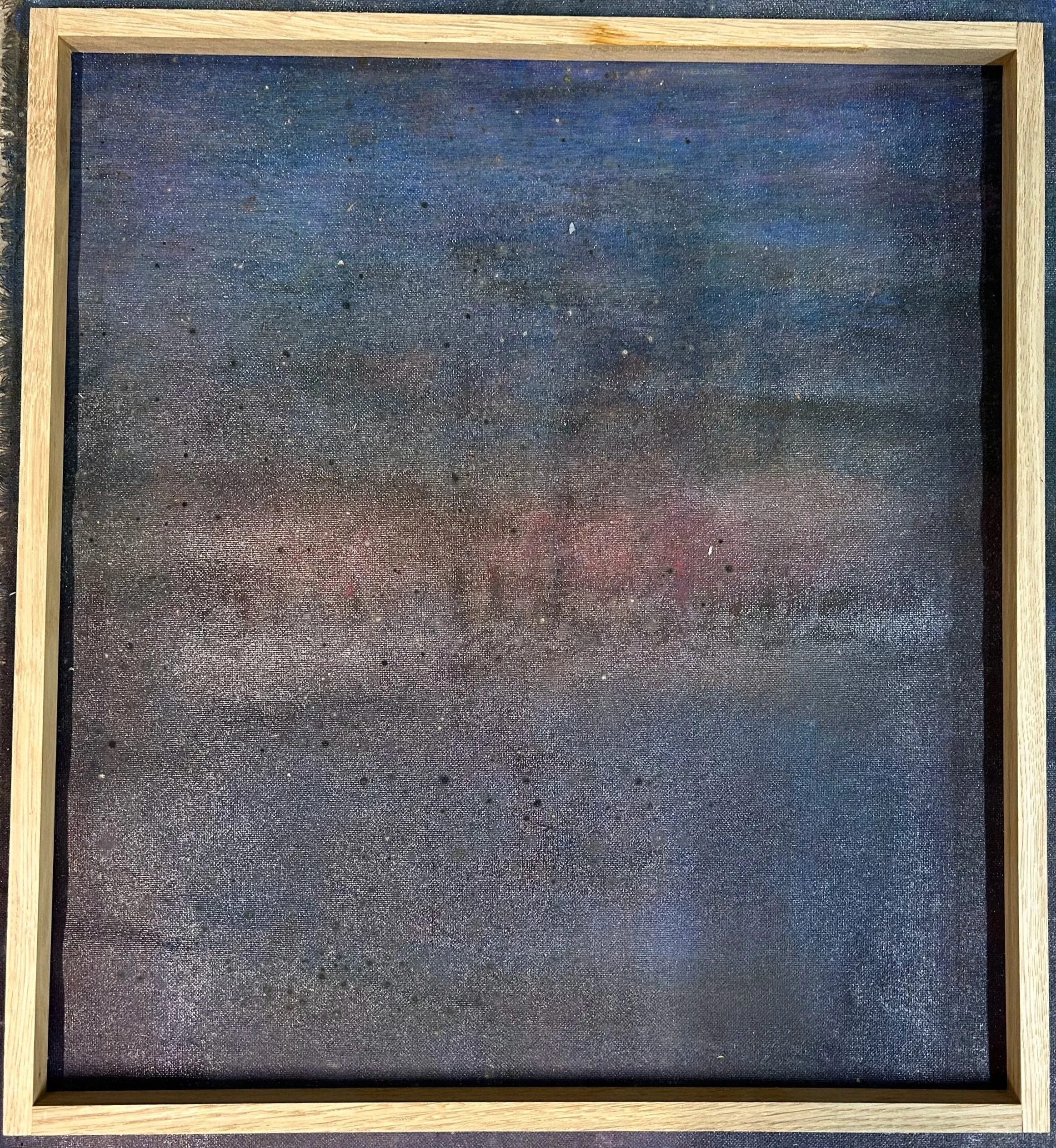
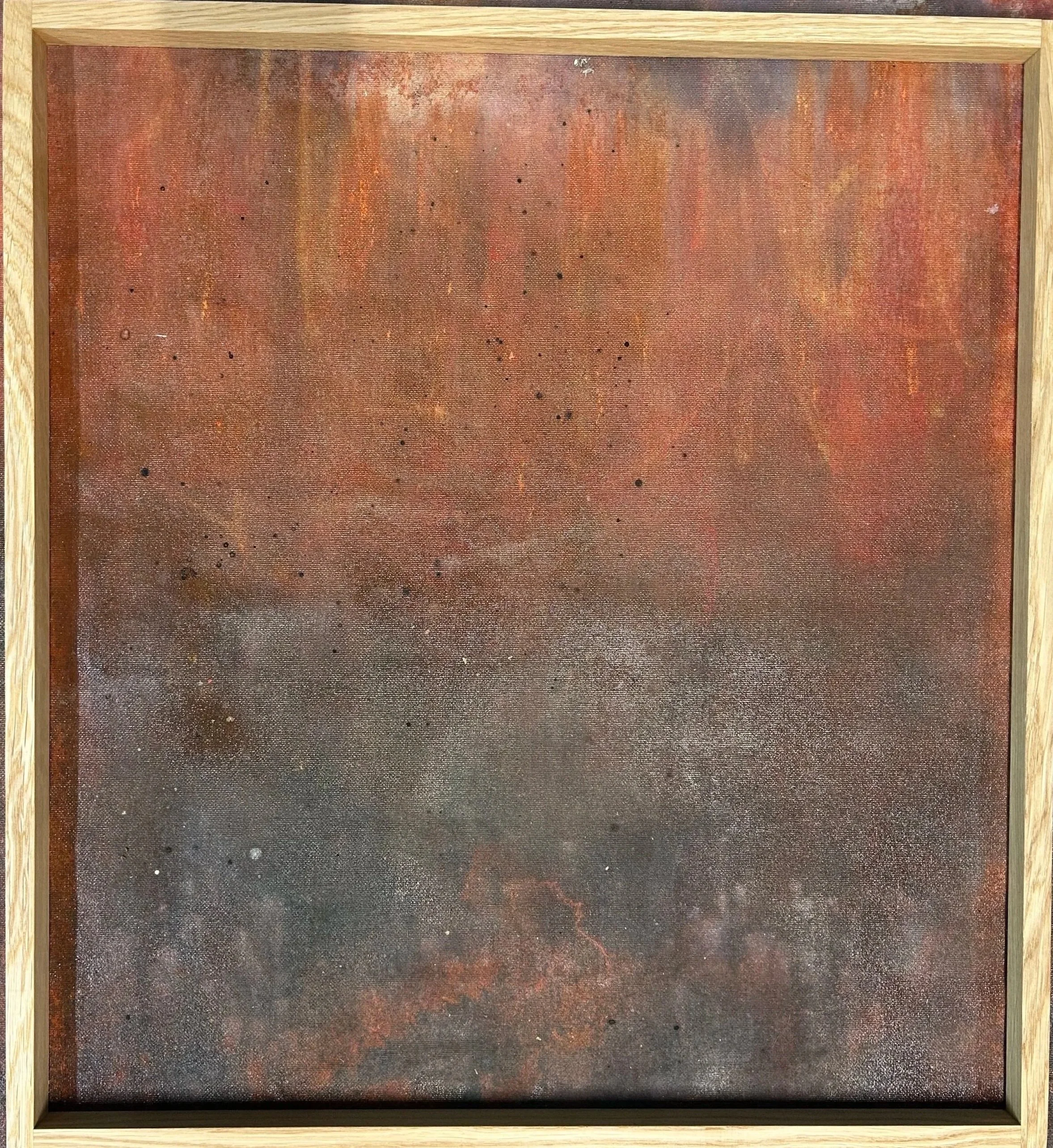
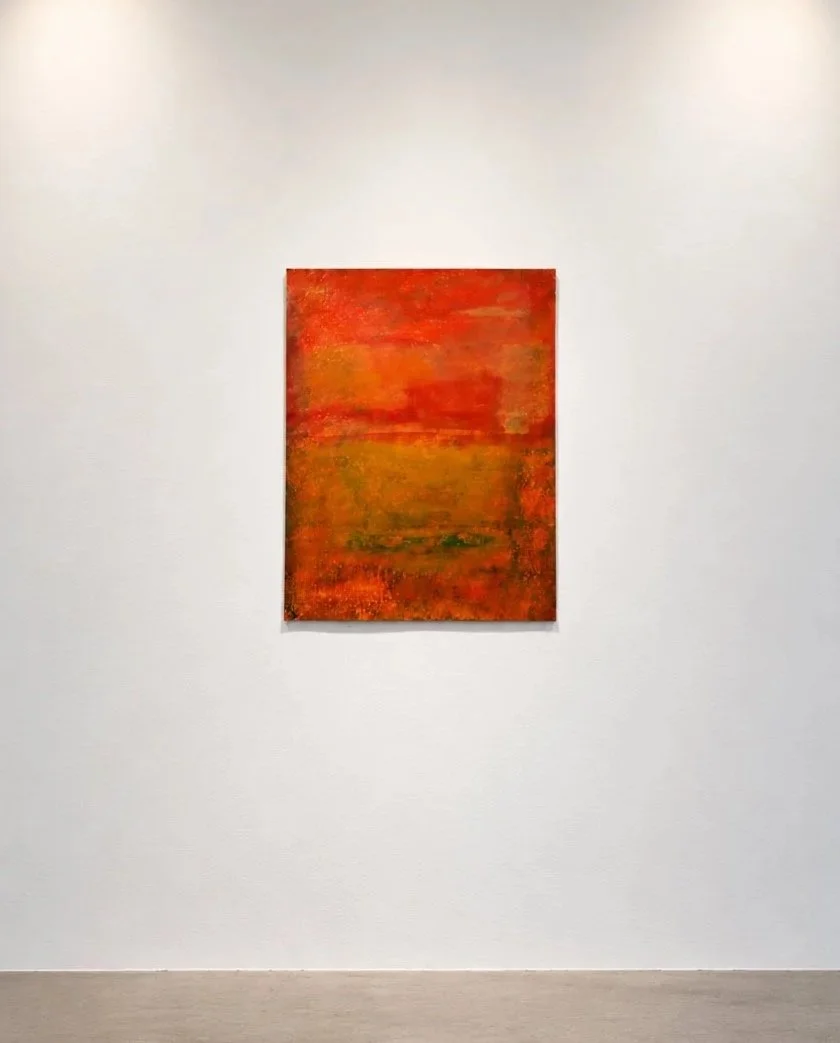
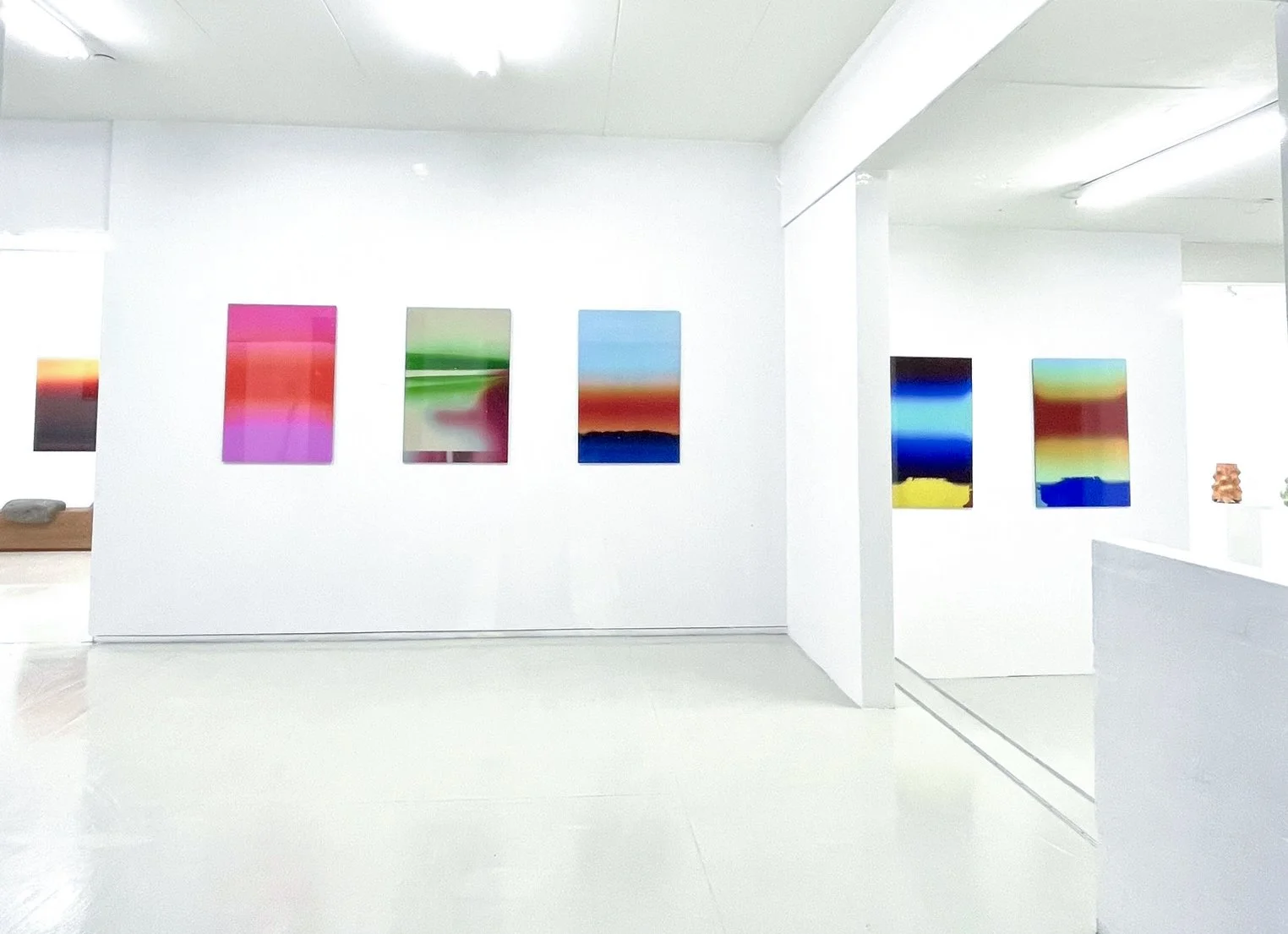
In The Color of Crisis, color becomes a way to consider how images register a world in transition. The exhibition formed one focused expression of Erfurt’s wider inquiry into perception, material, and the changing meanings images carry. It was presented at VÆG Gallery, Aalborg, in 2026, with an accompanying text by sociologist Nikolaj Schultz.
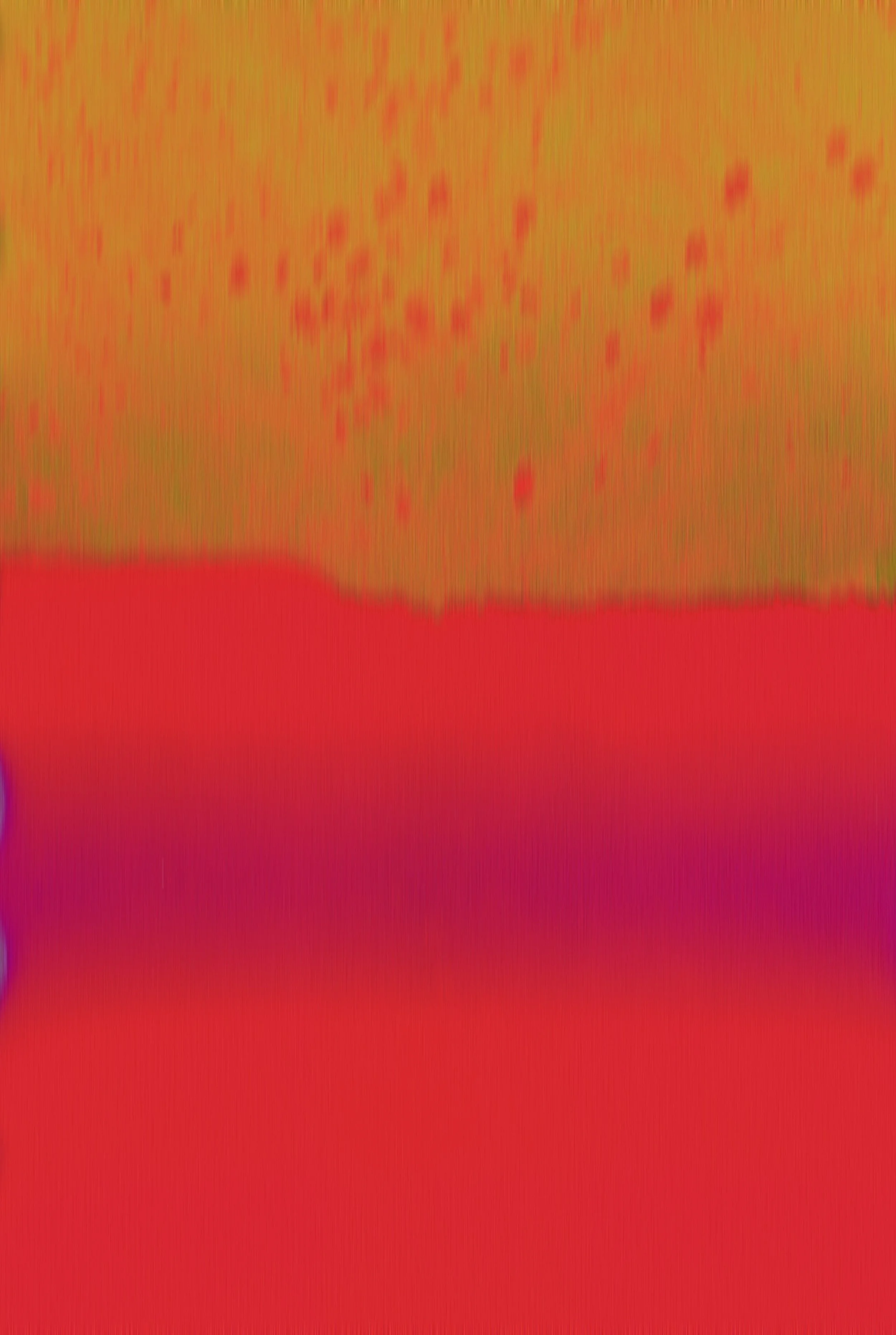
Color of Crisis
solo exhibition by Frederik Erfurt
7th of March — 4th of April 2026
at VÆG Gallery
Jernbanegade 20A, 9000 Aalborg
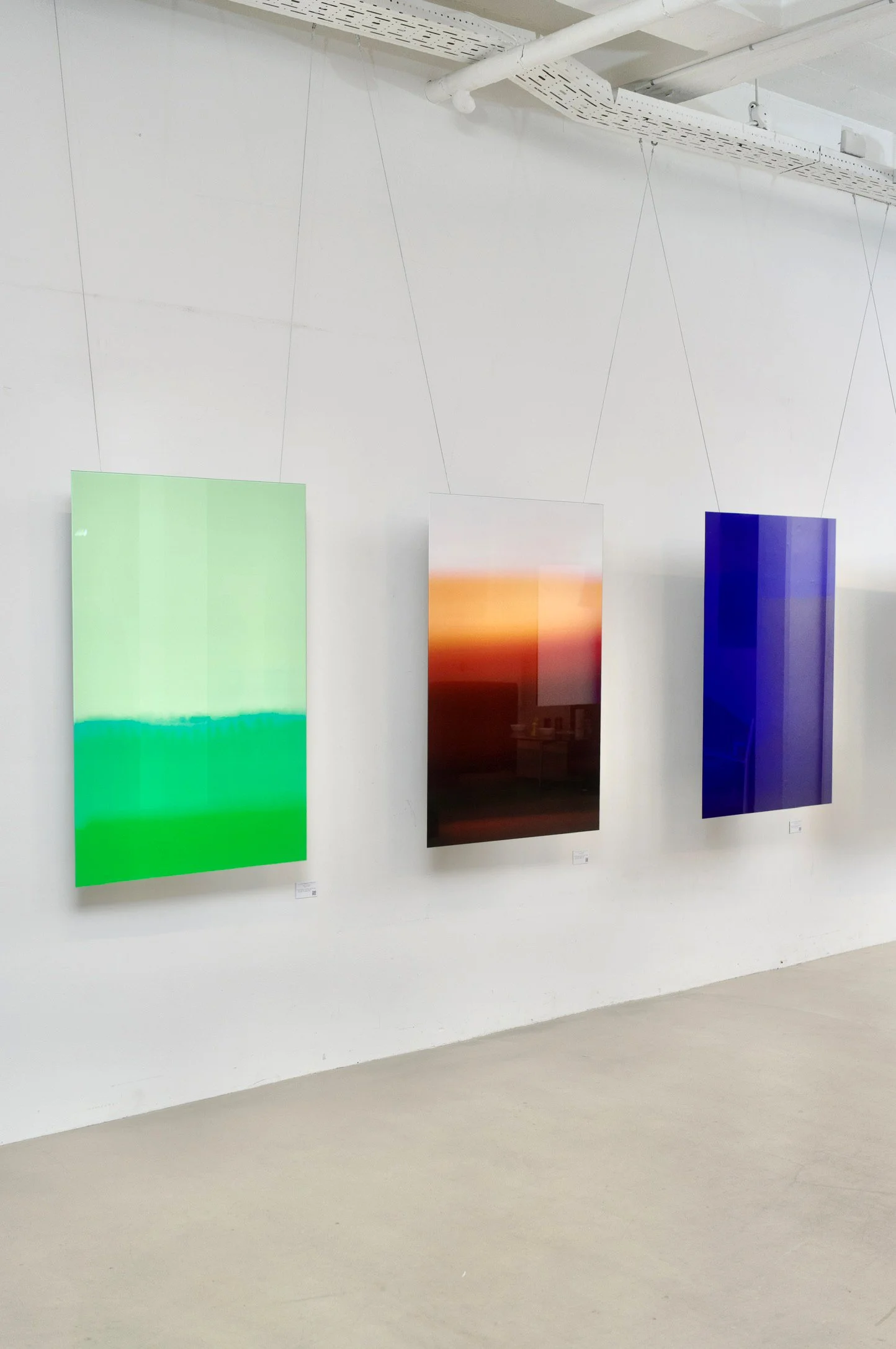
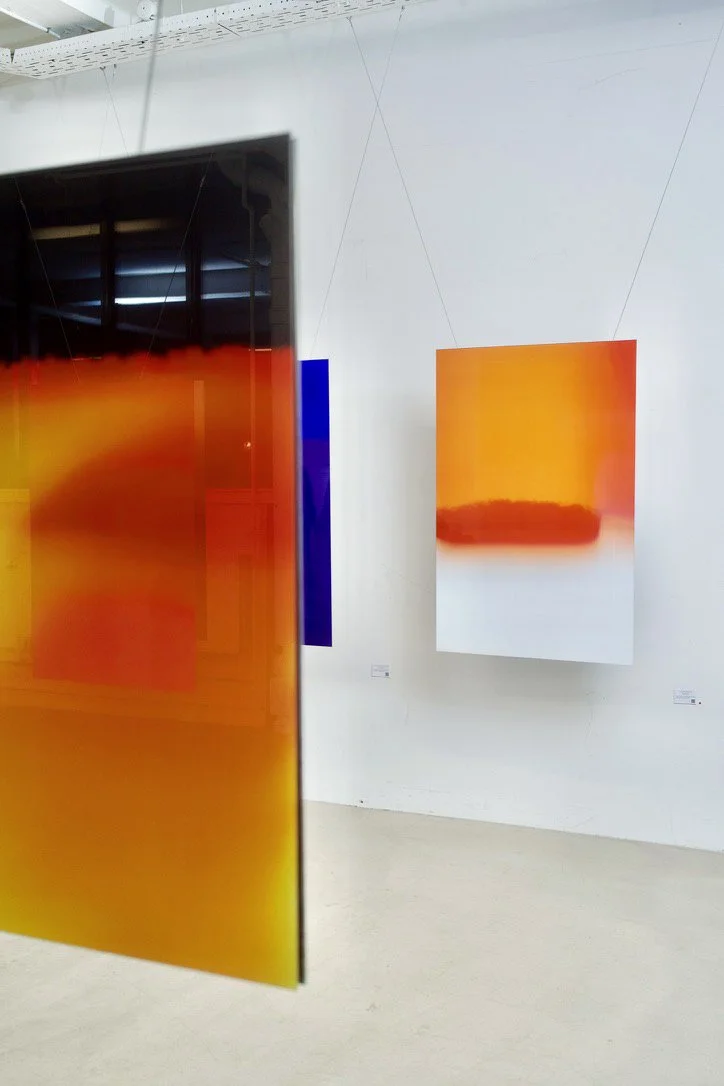
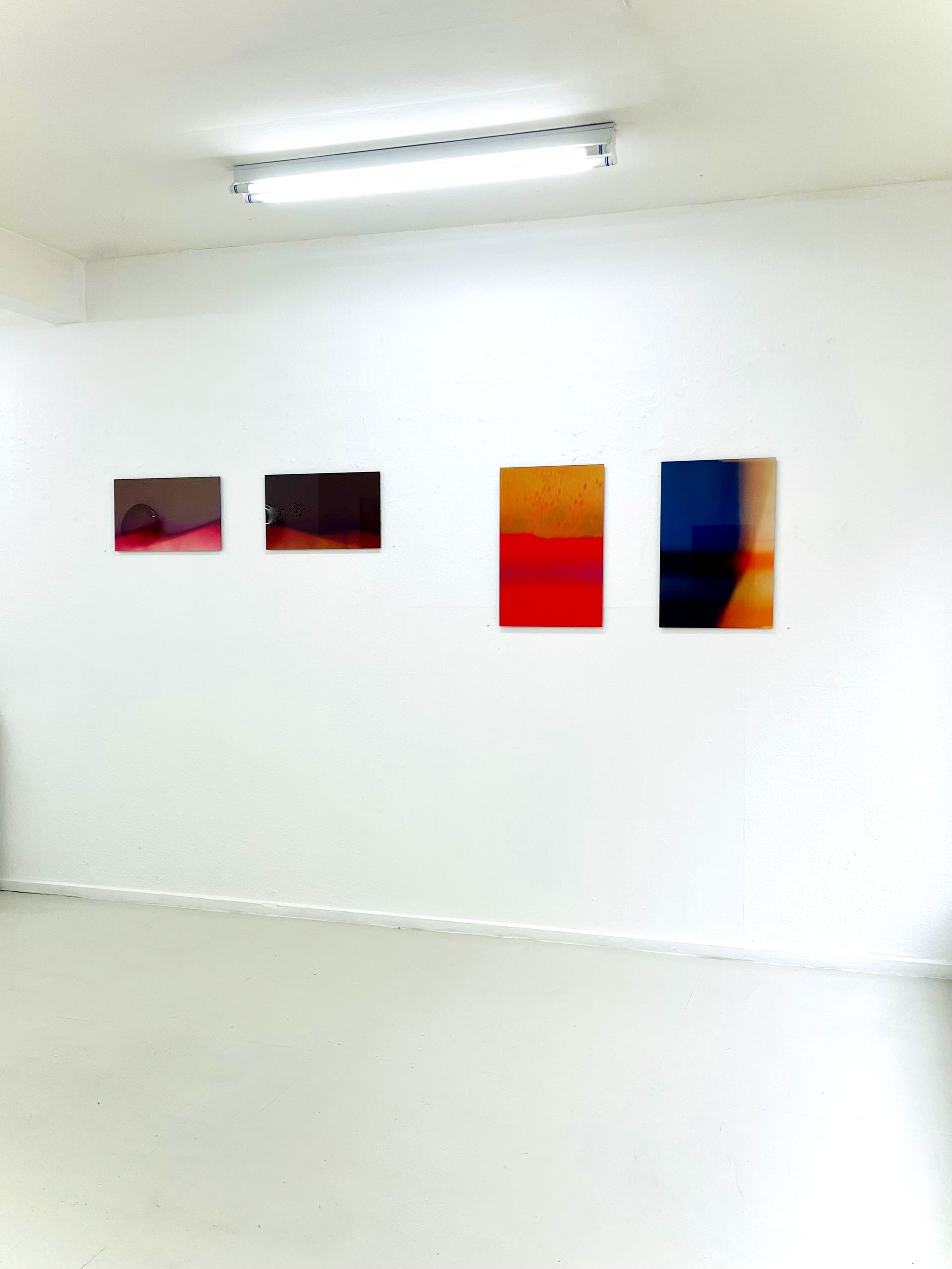
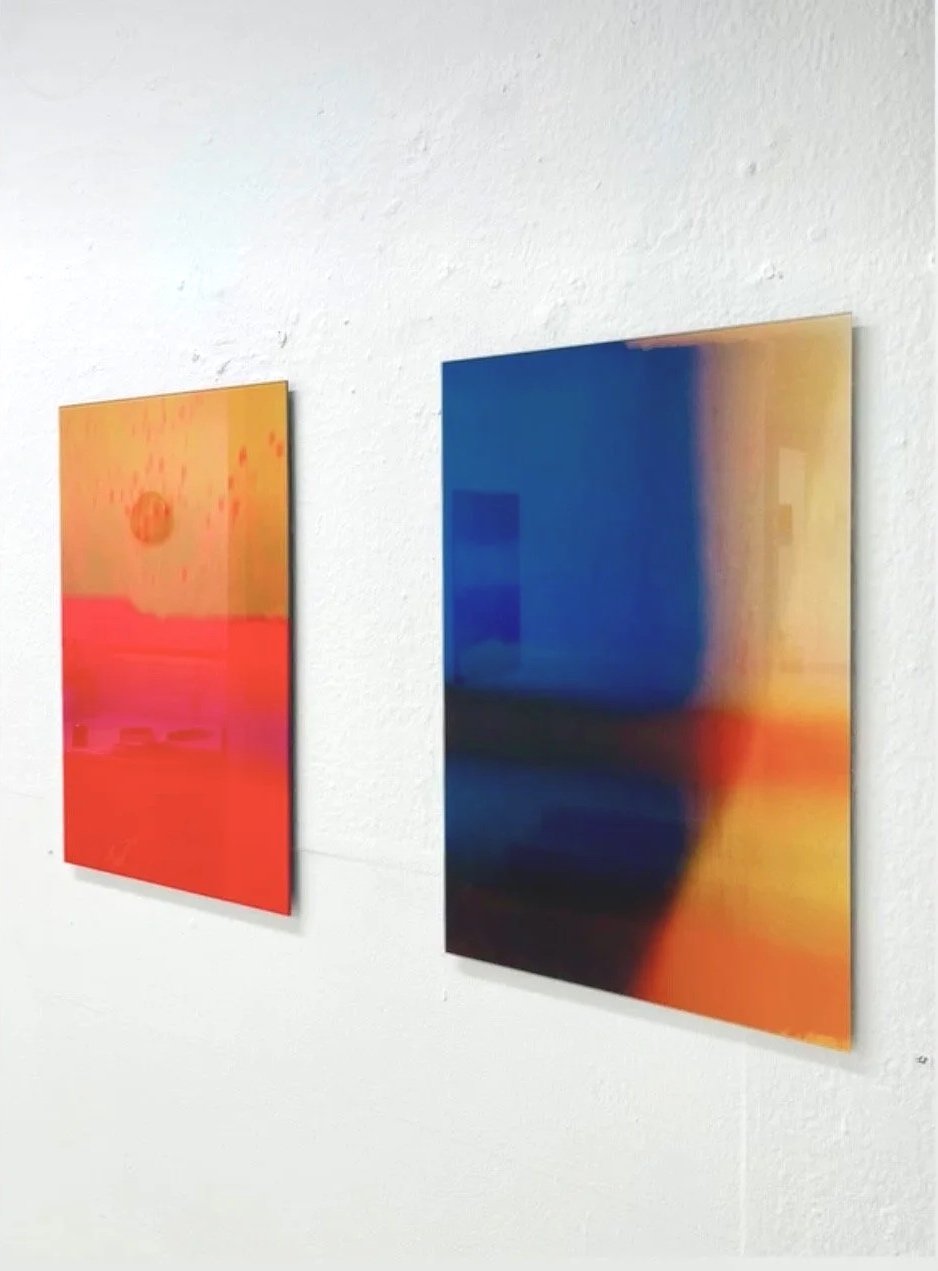
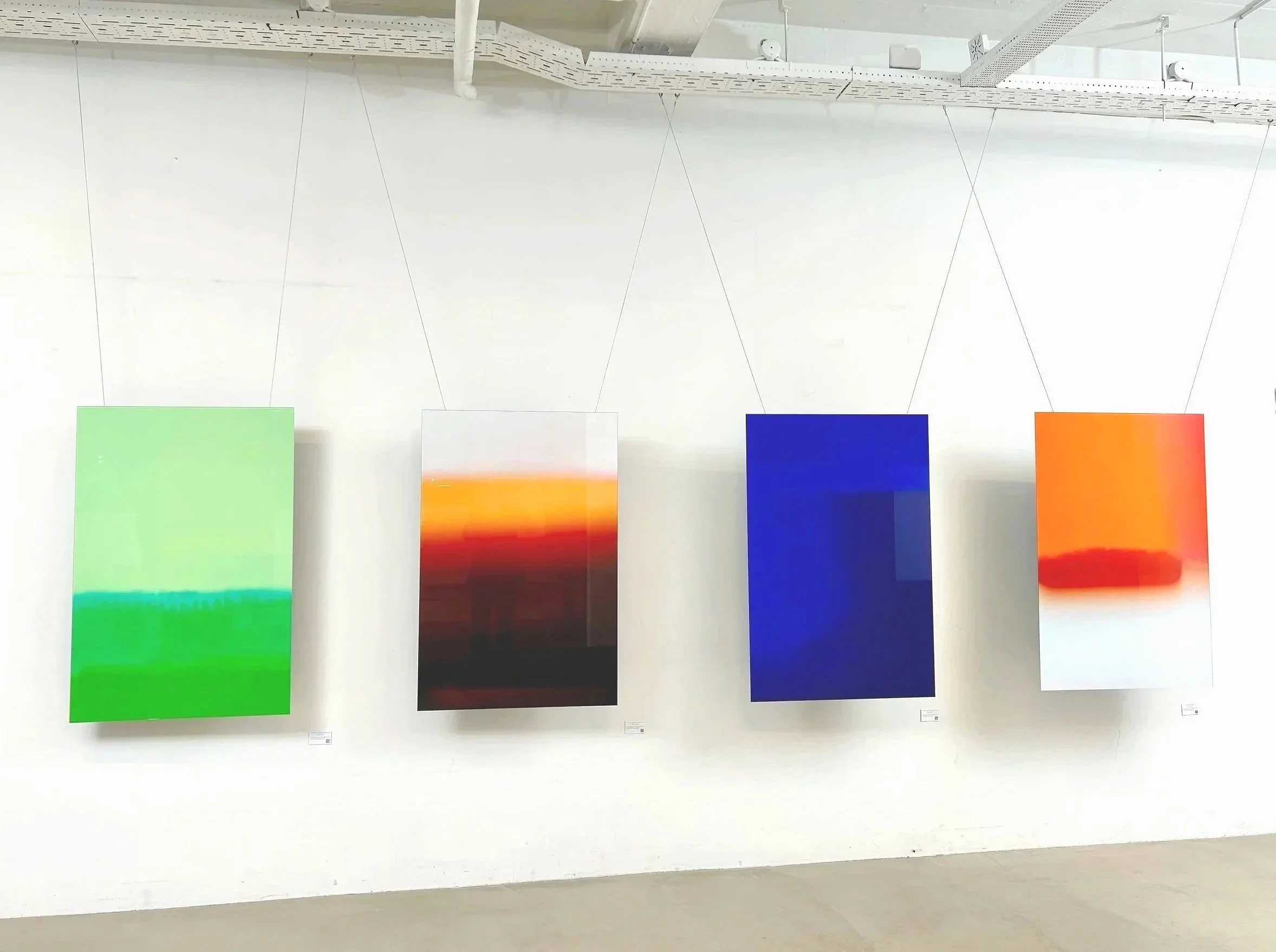
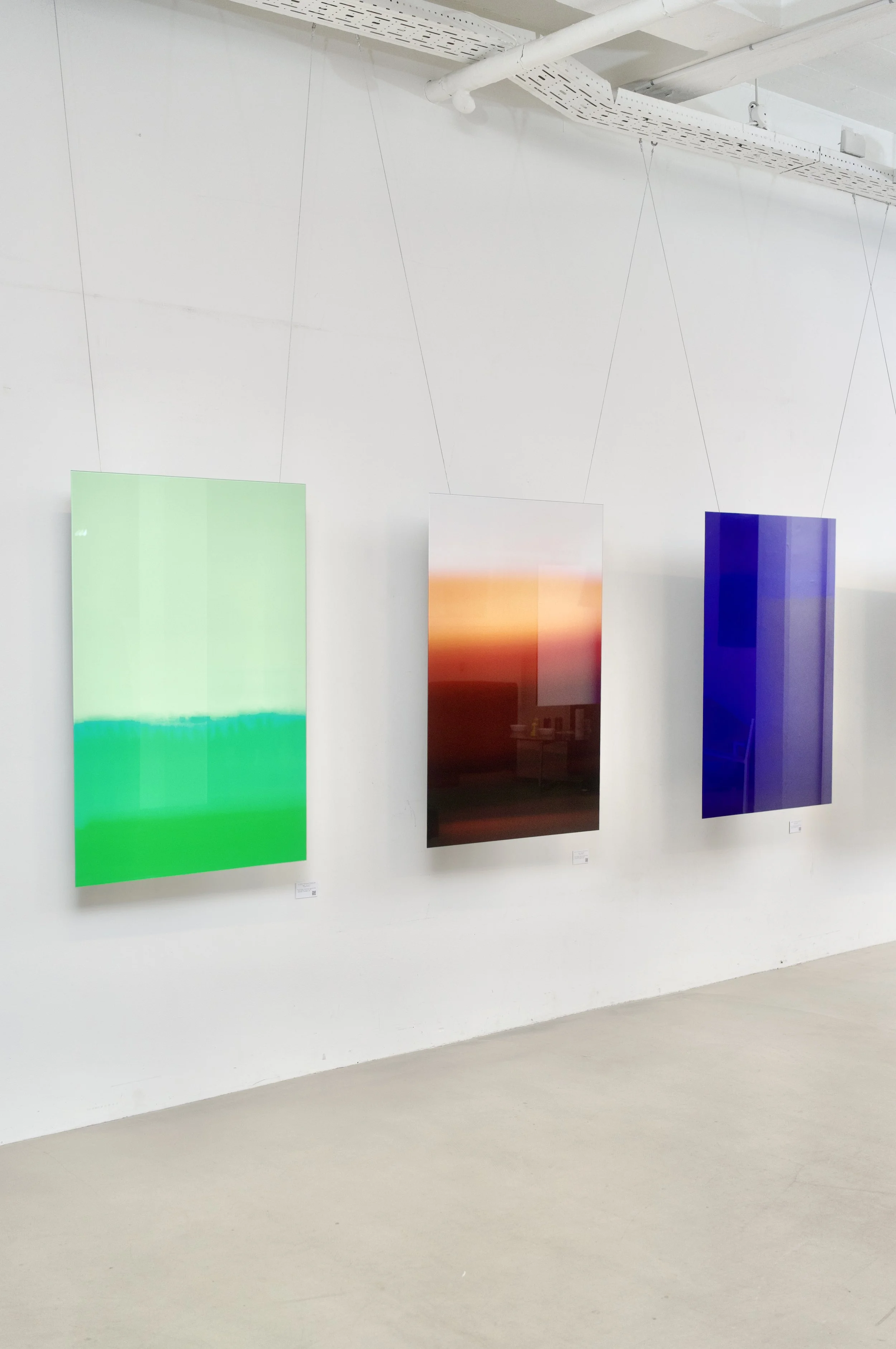
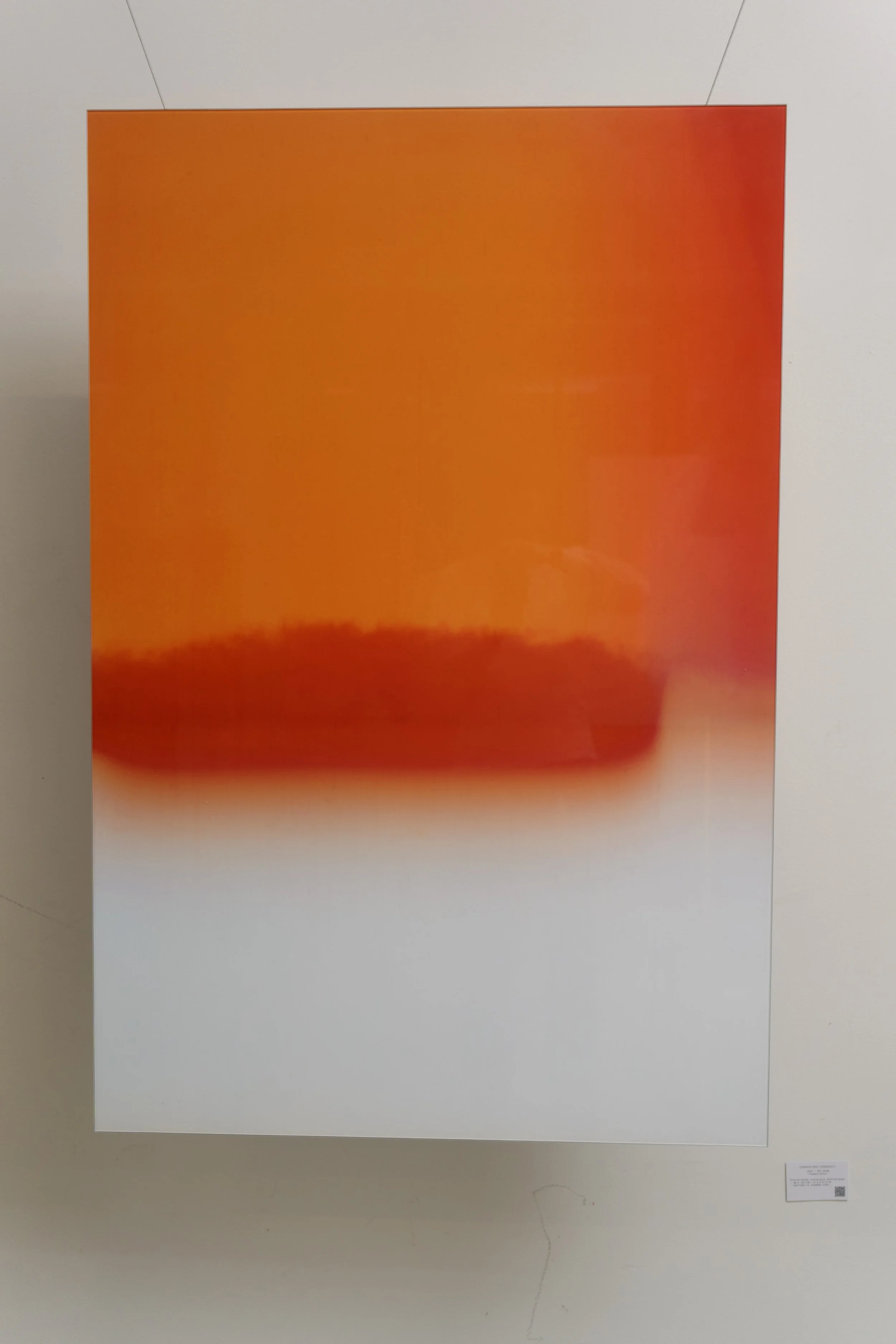
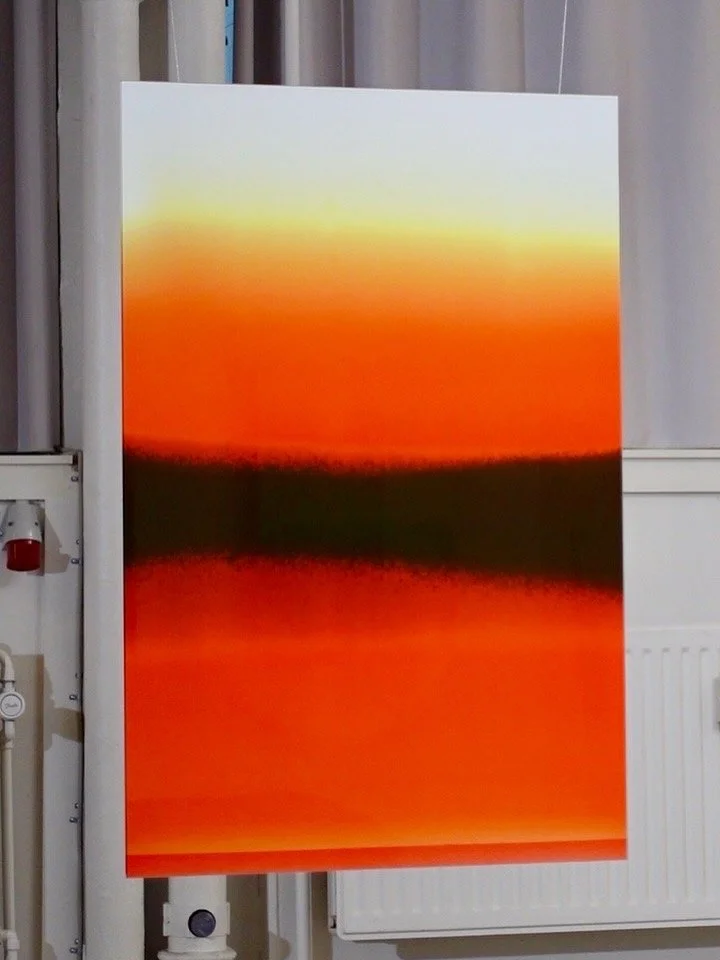
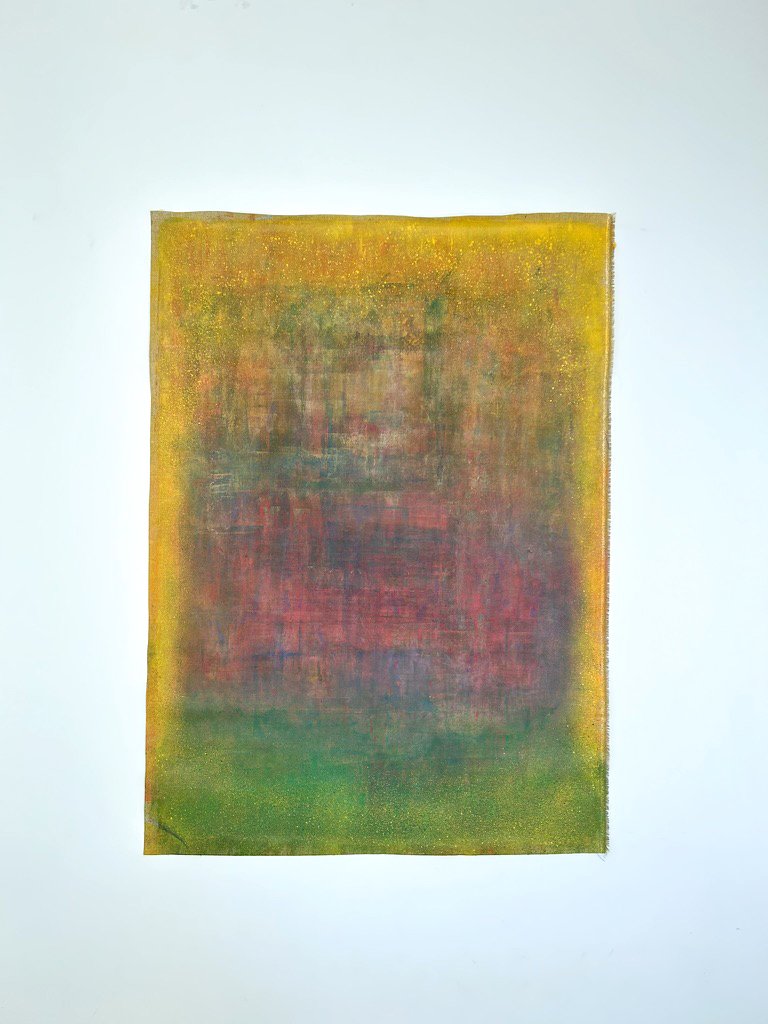
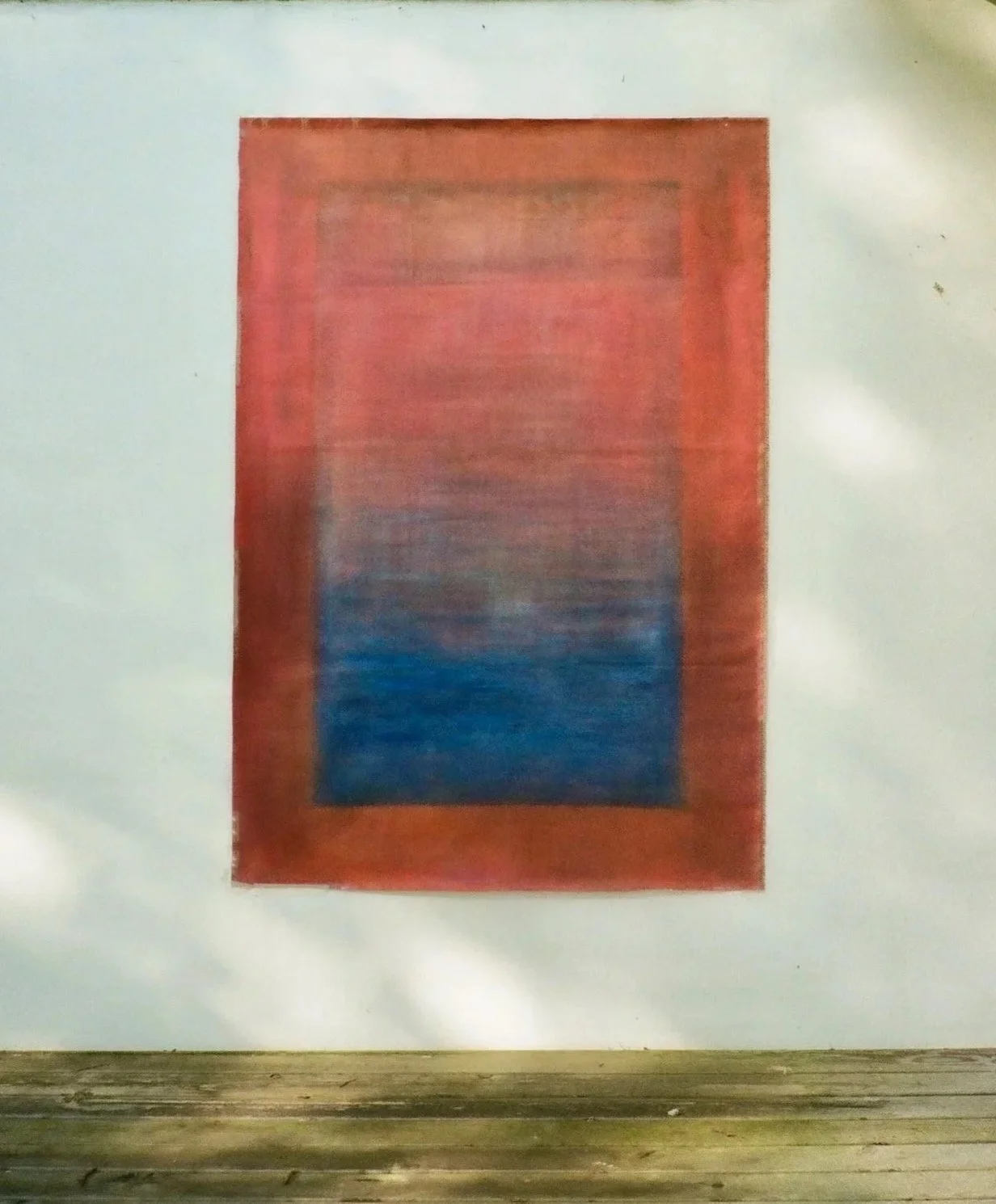
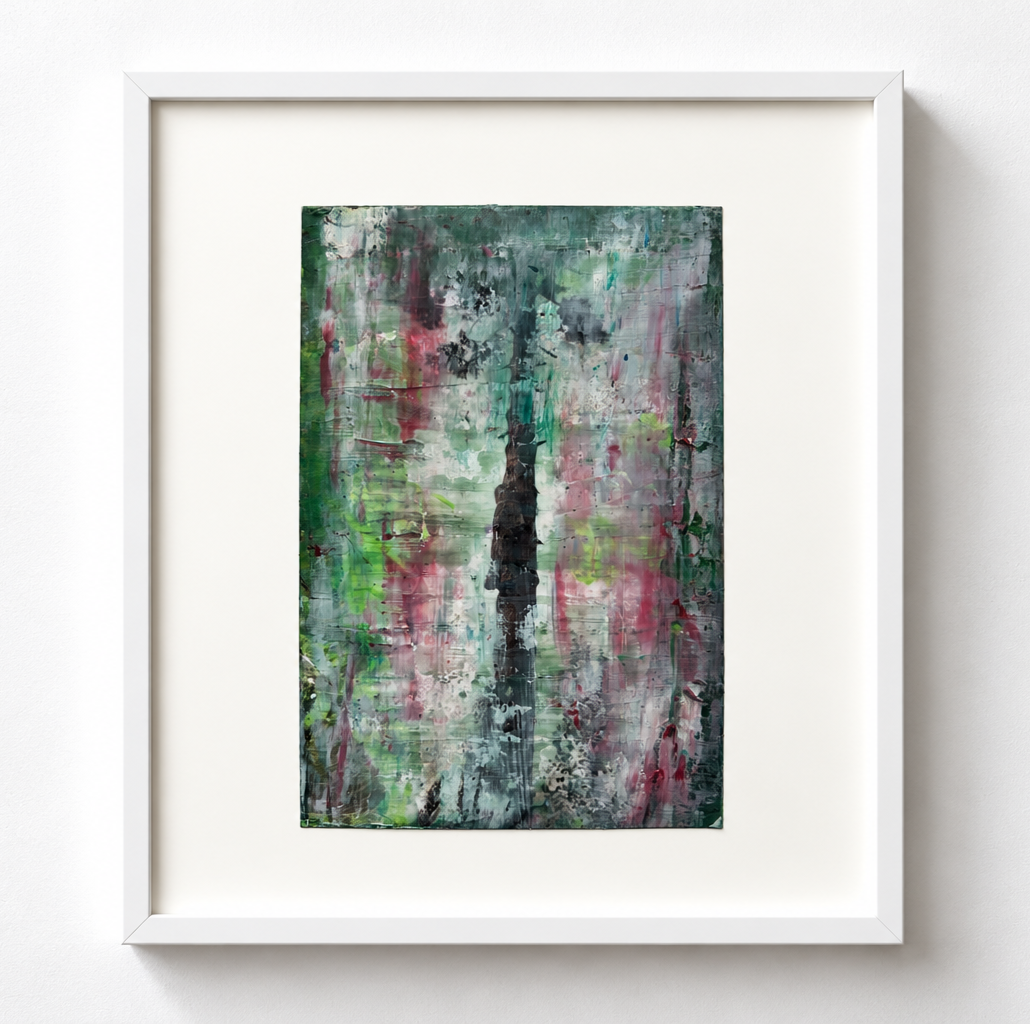
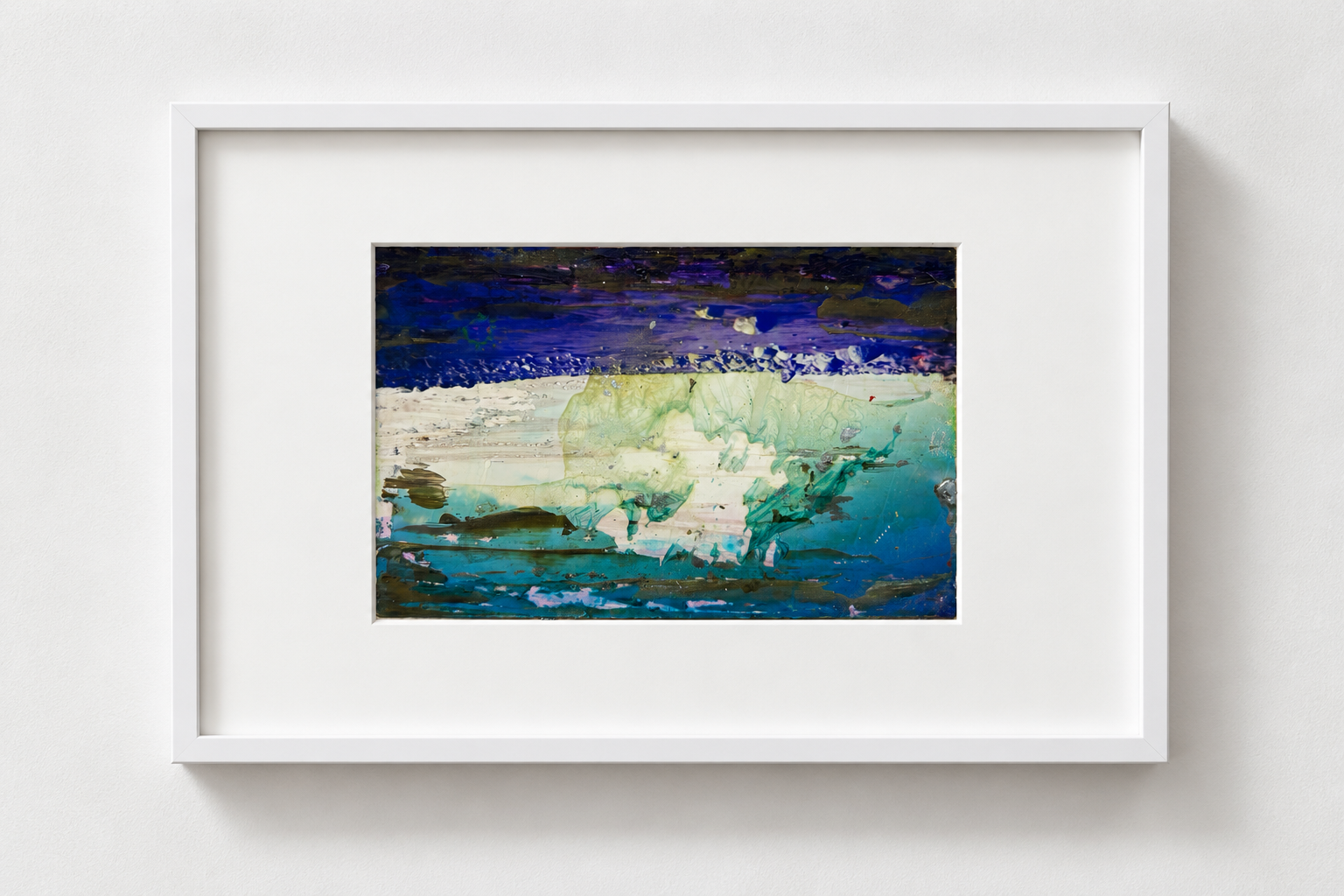
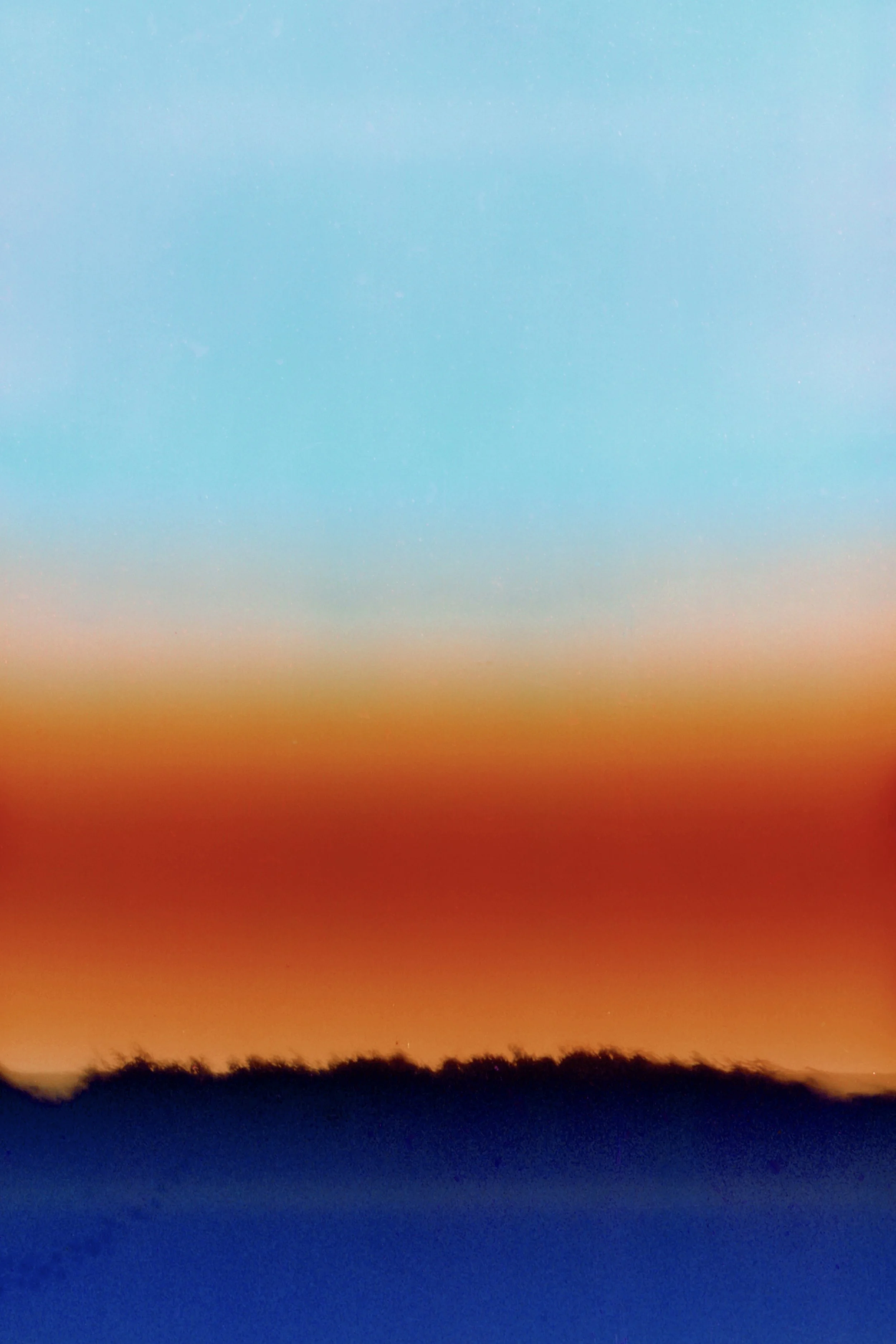
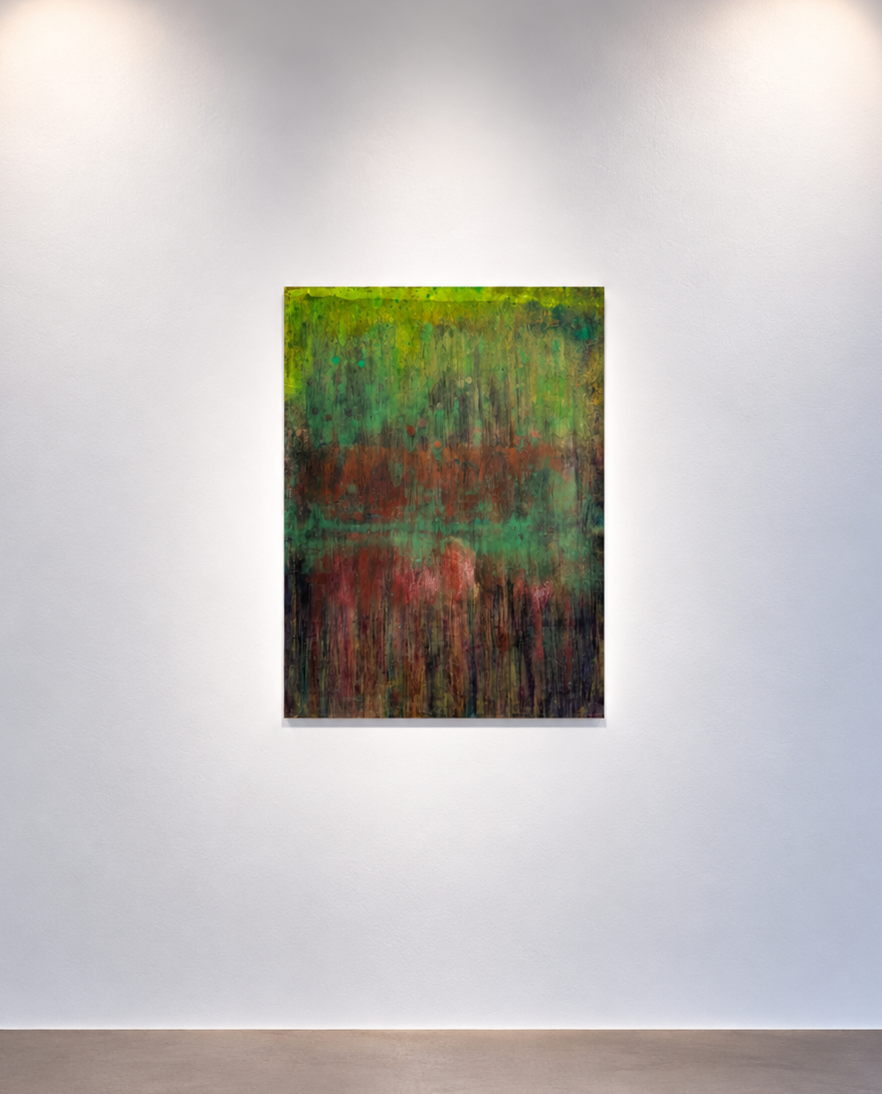
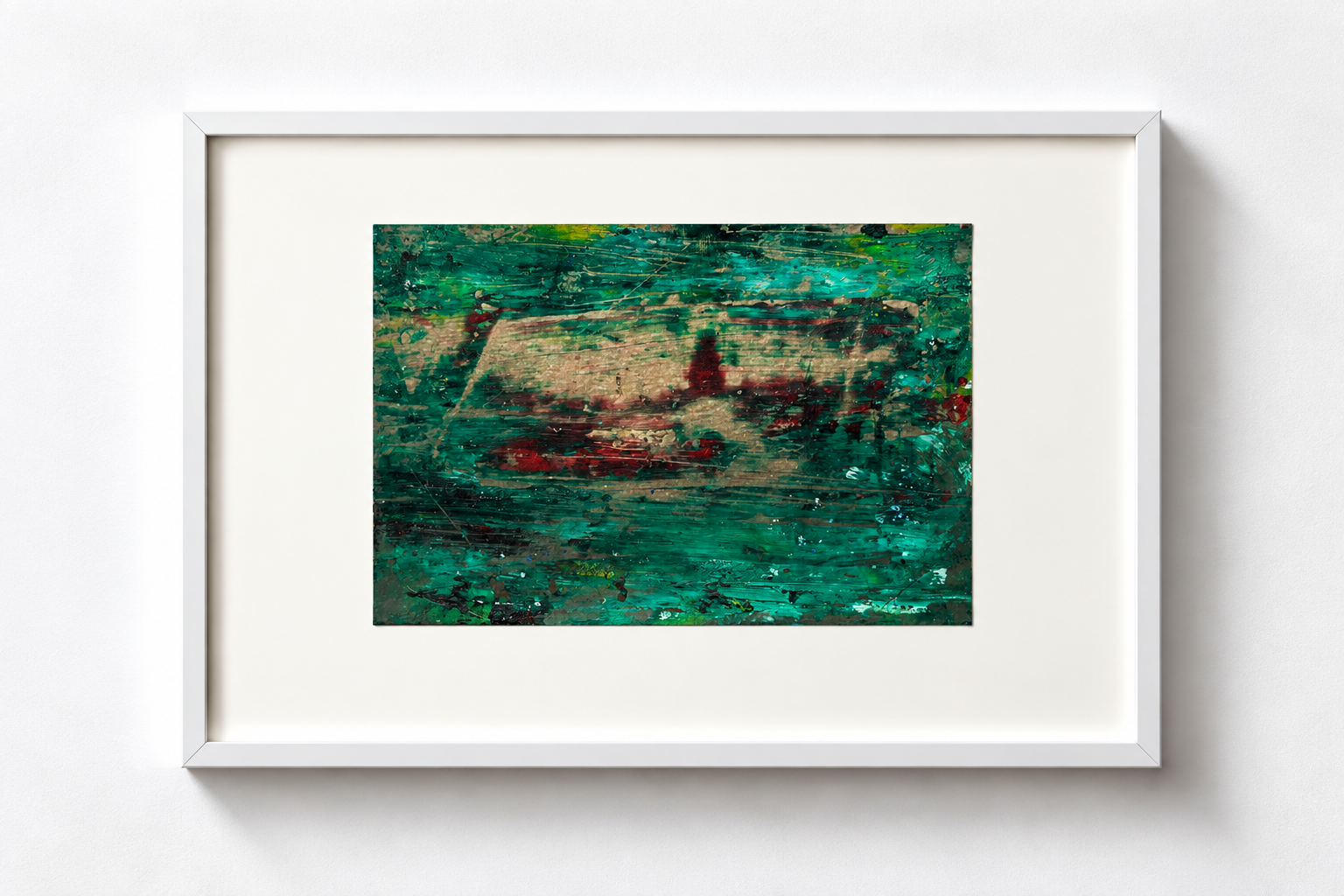
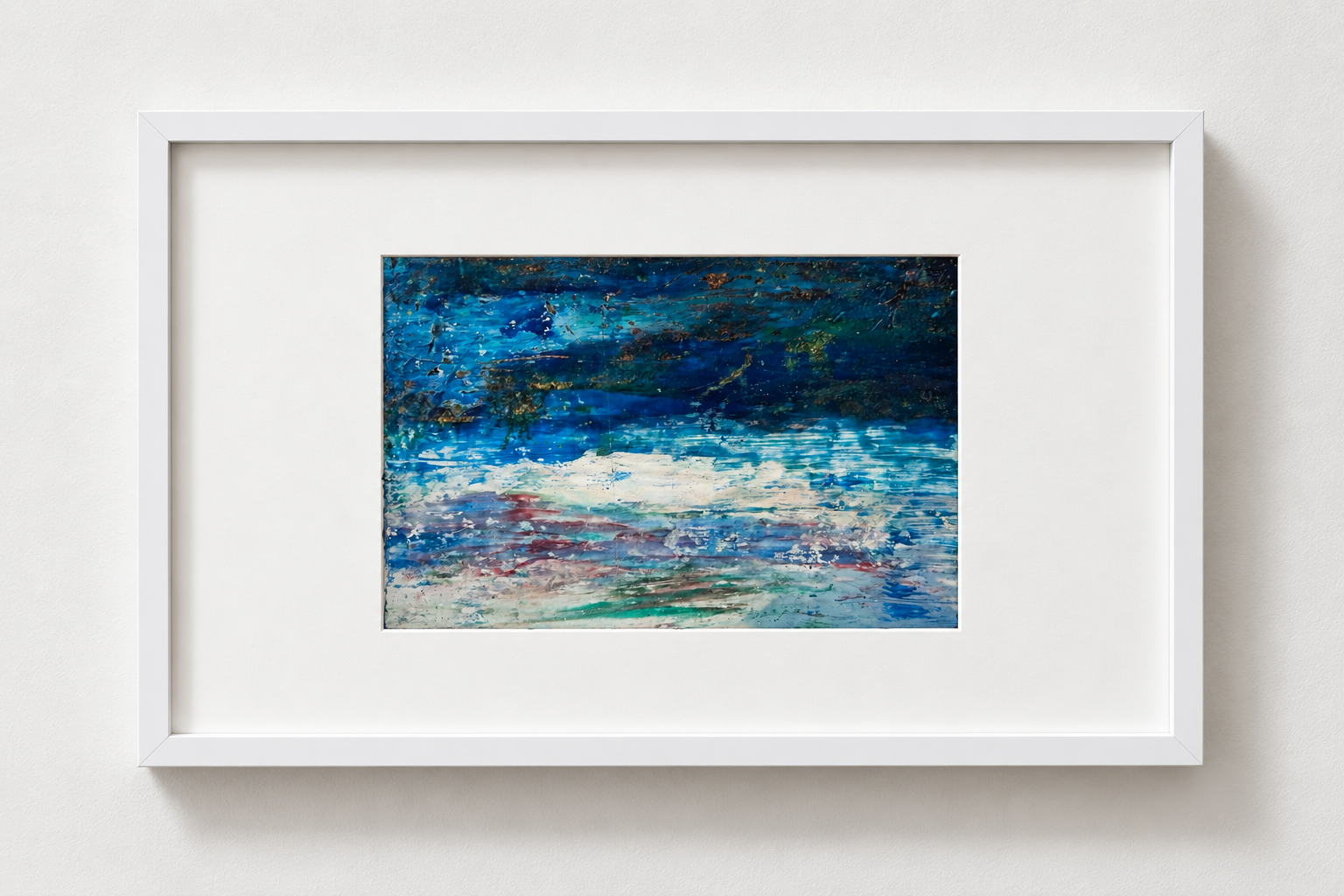
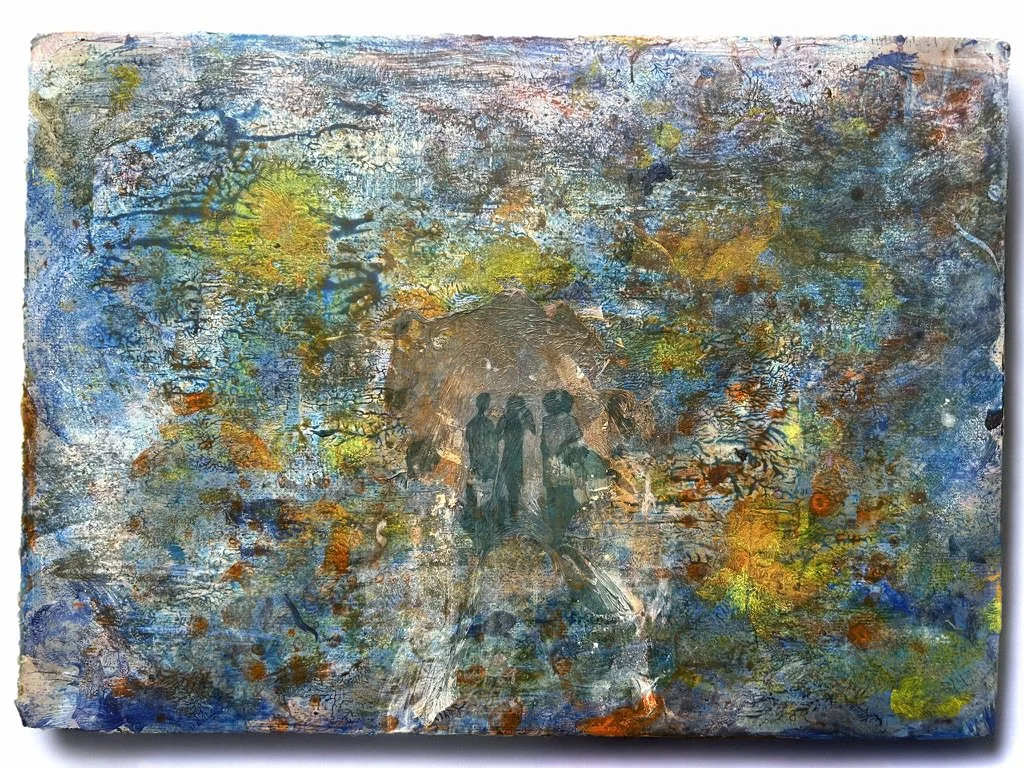
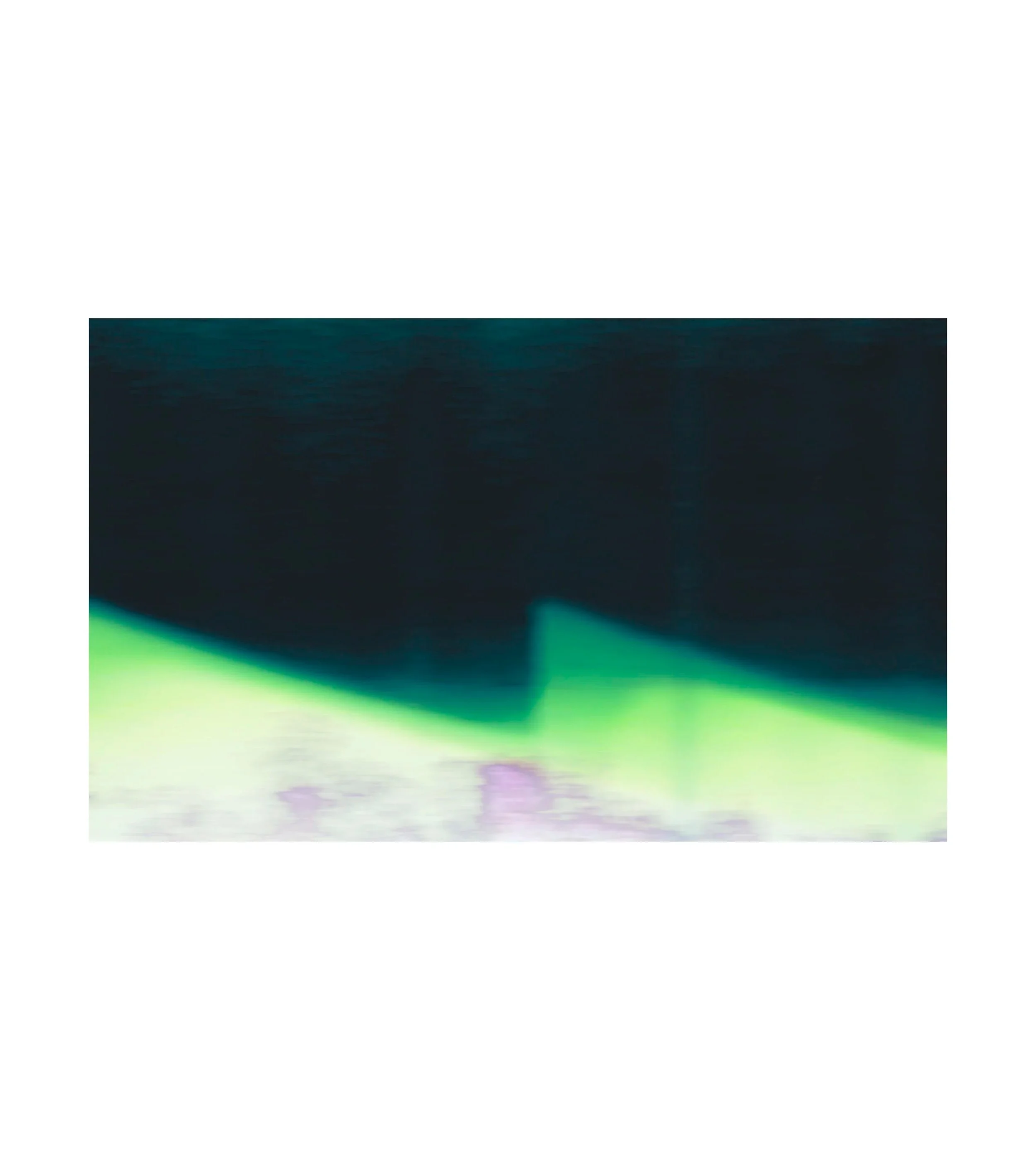
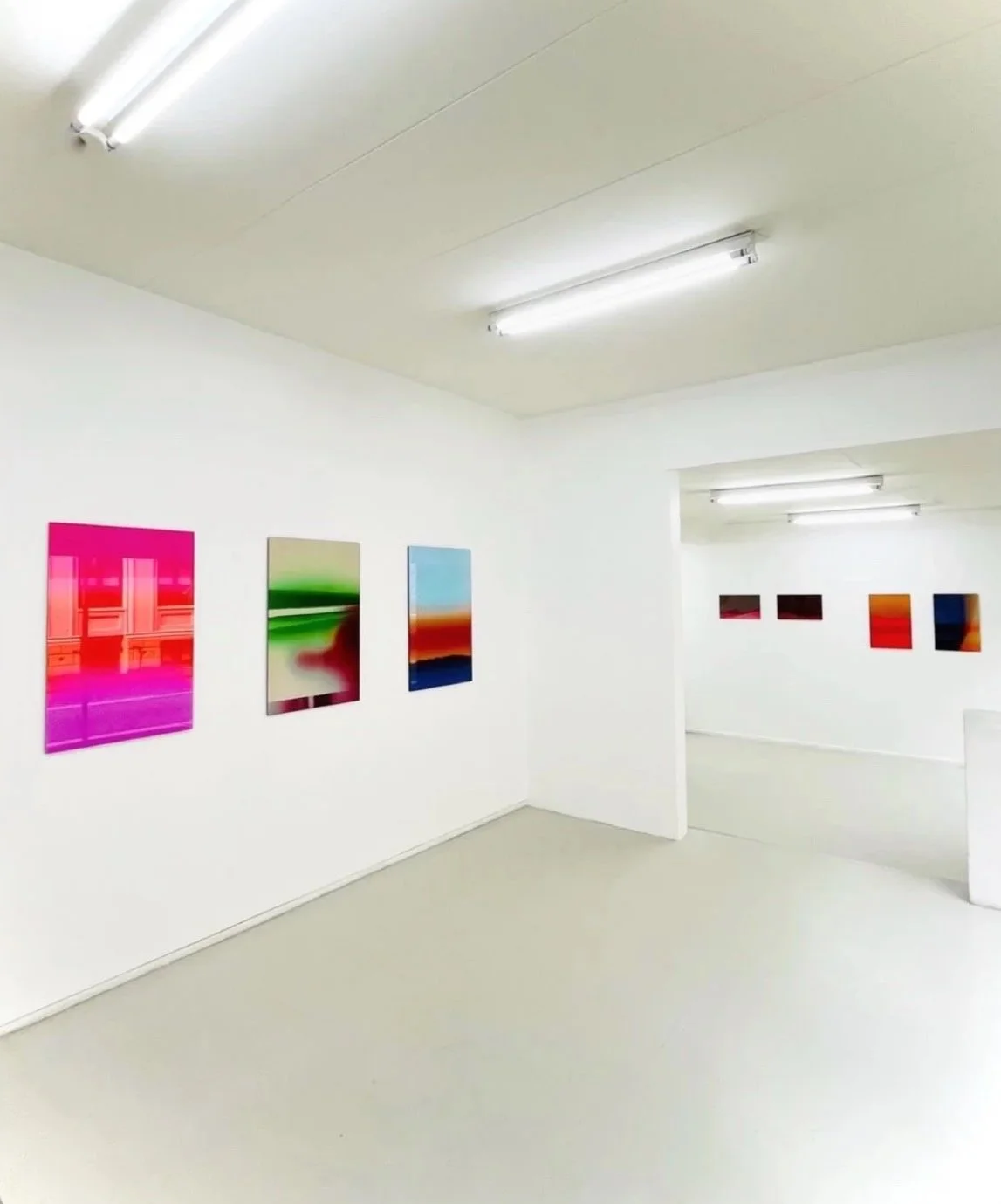
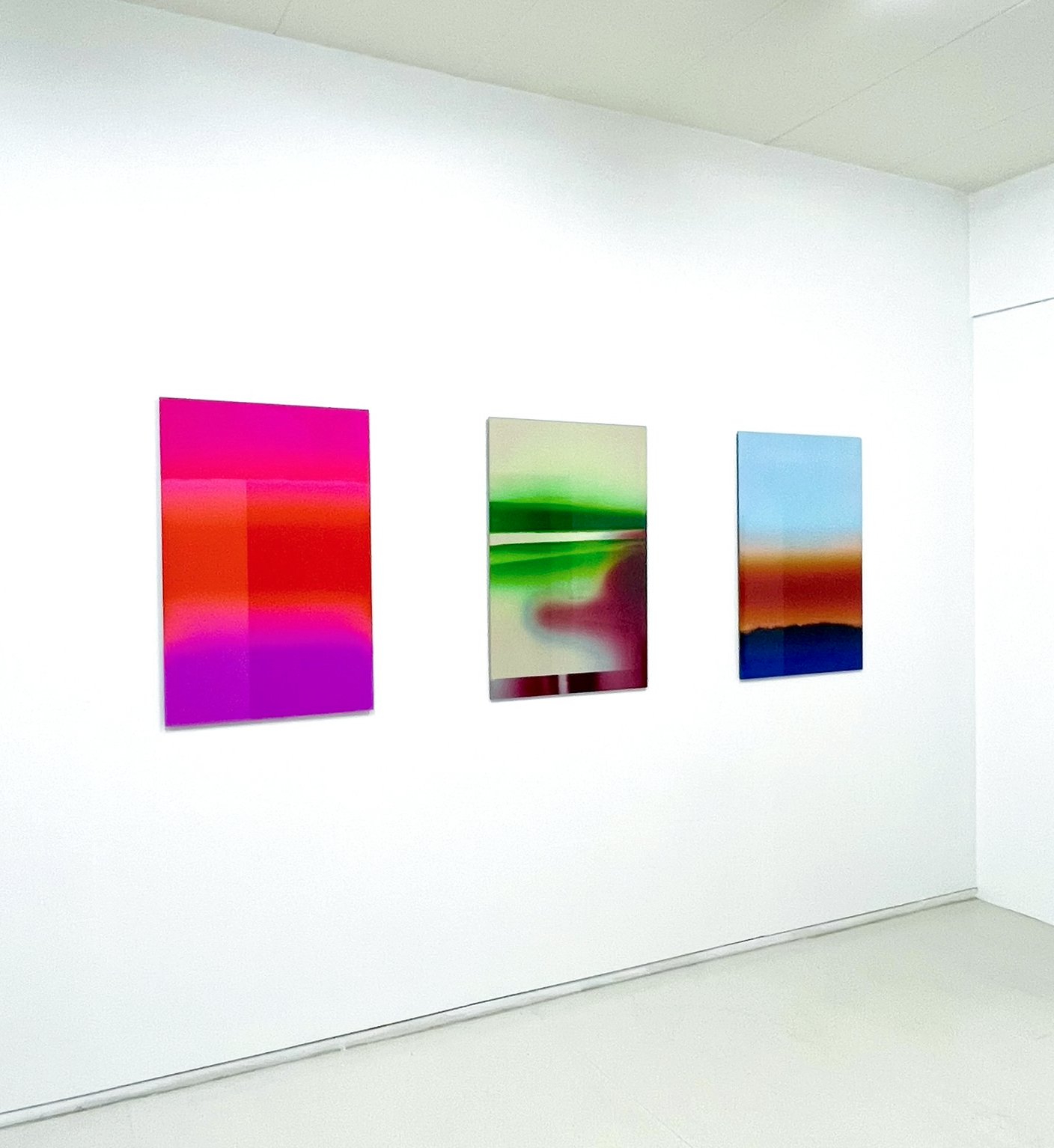
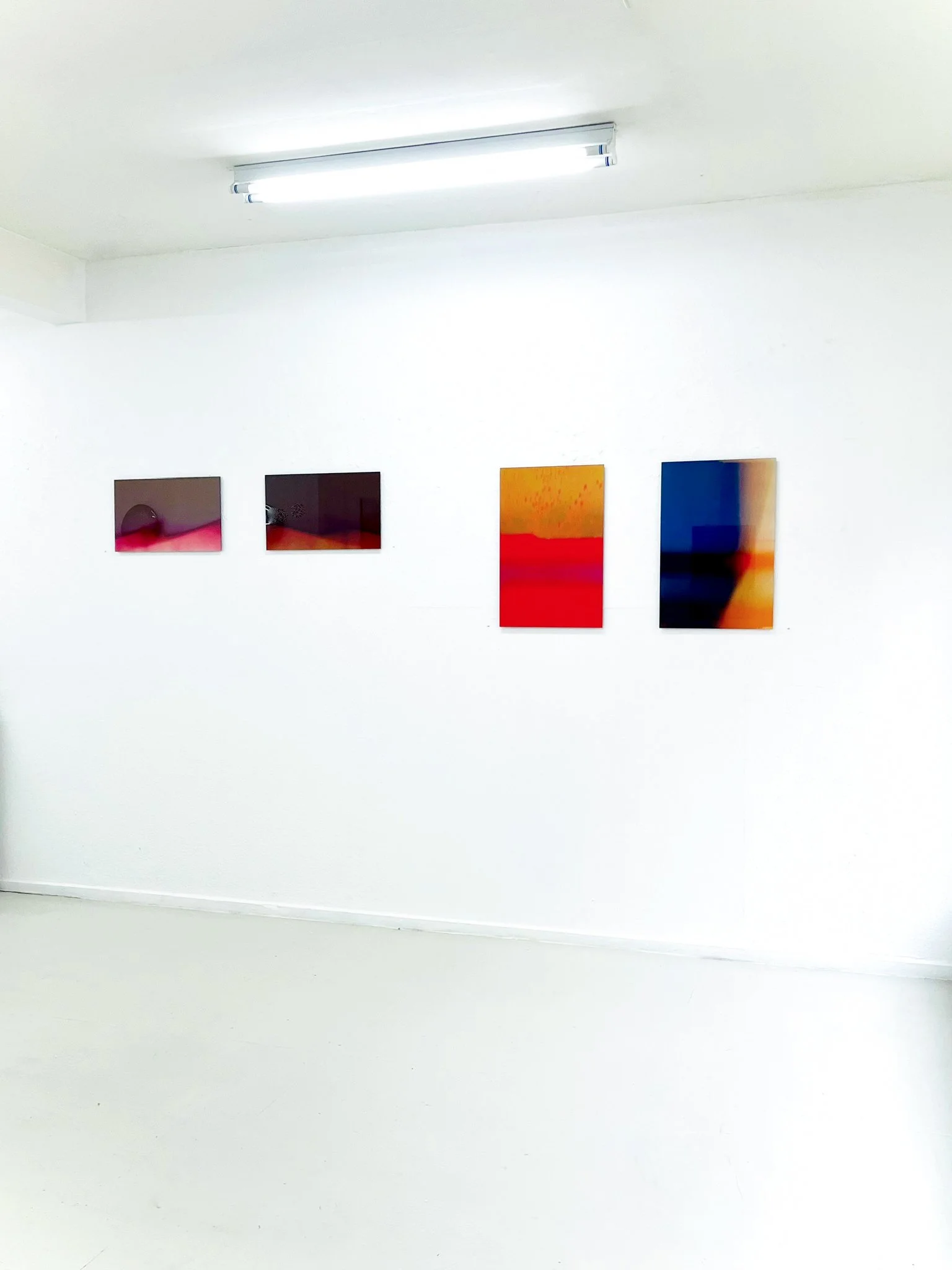
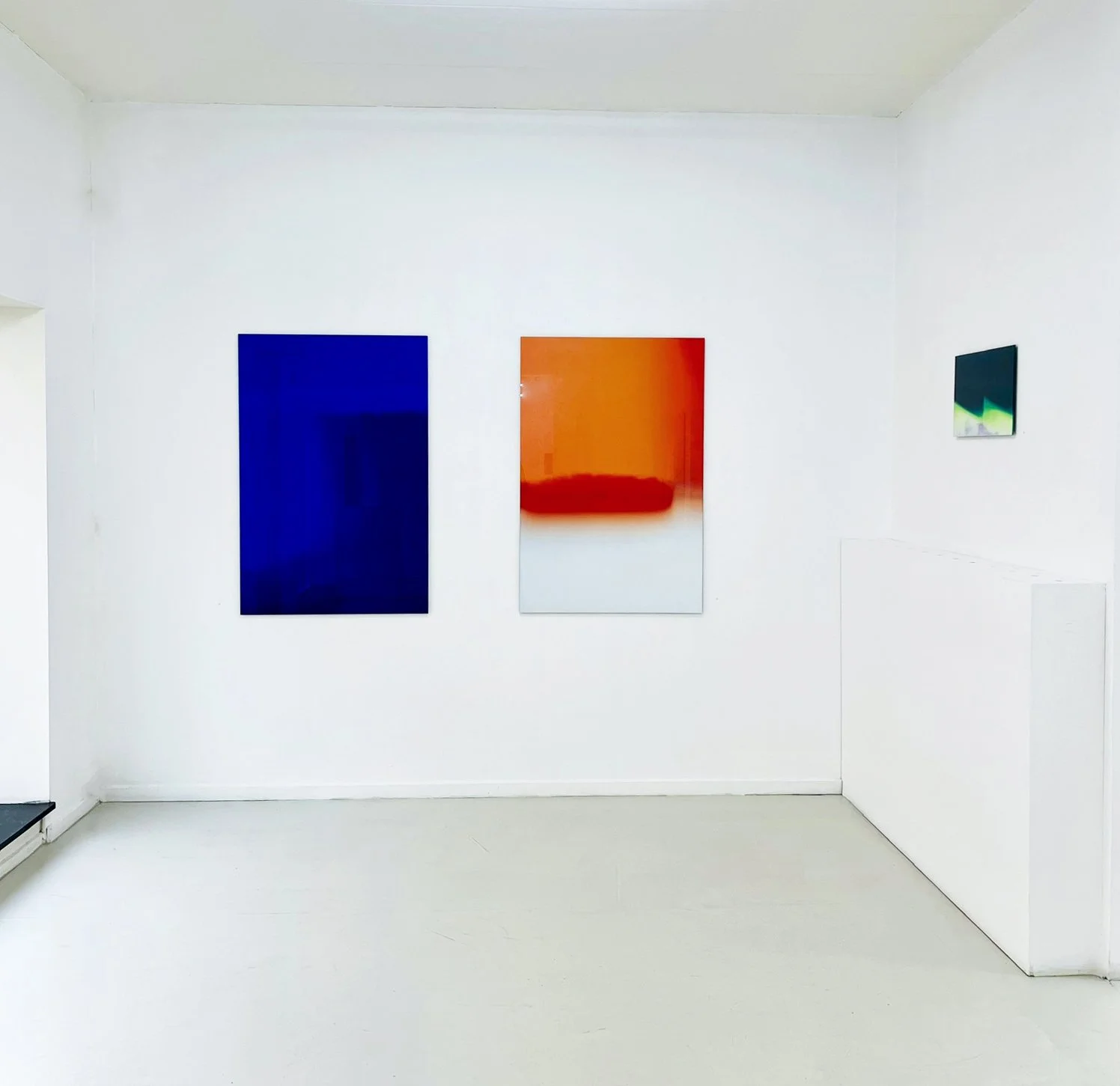
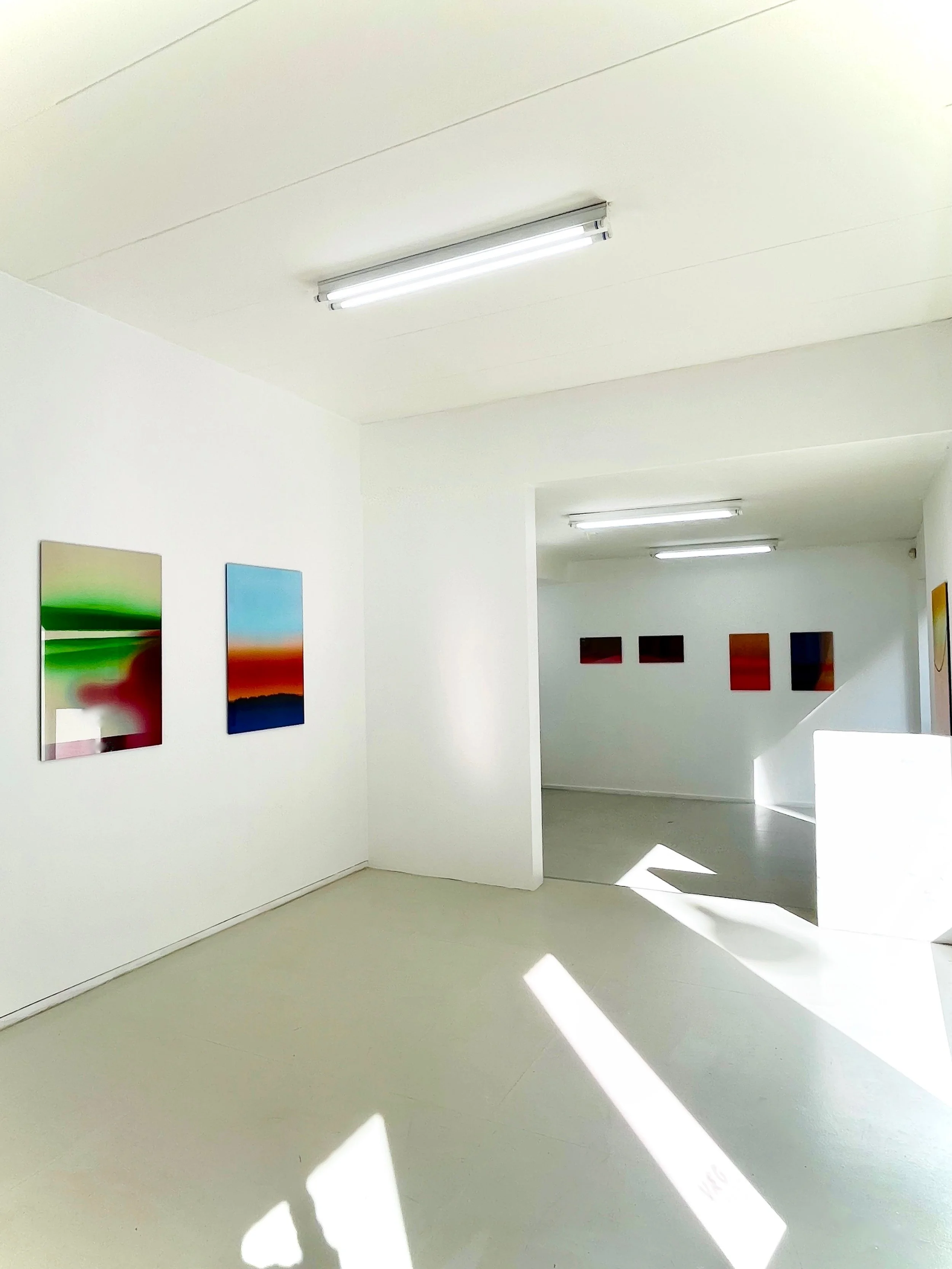
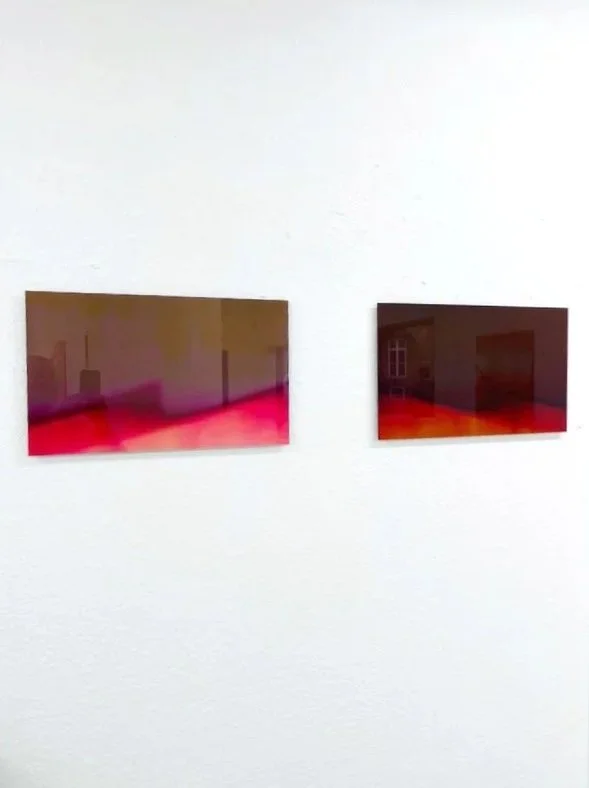
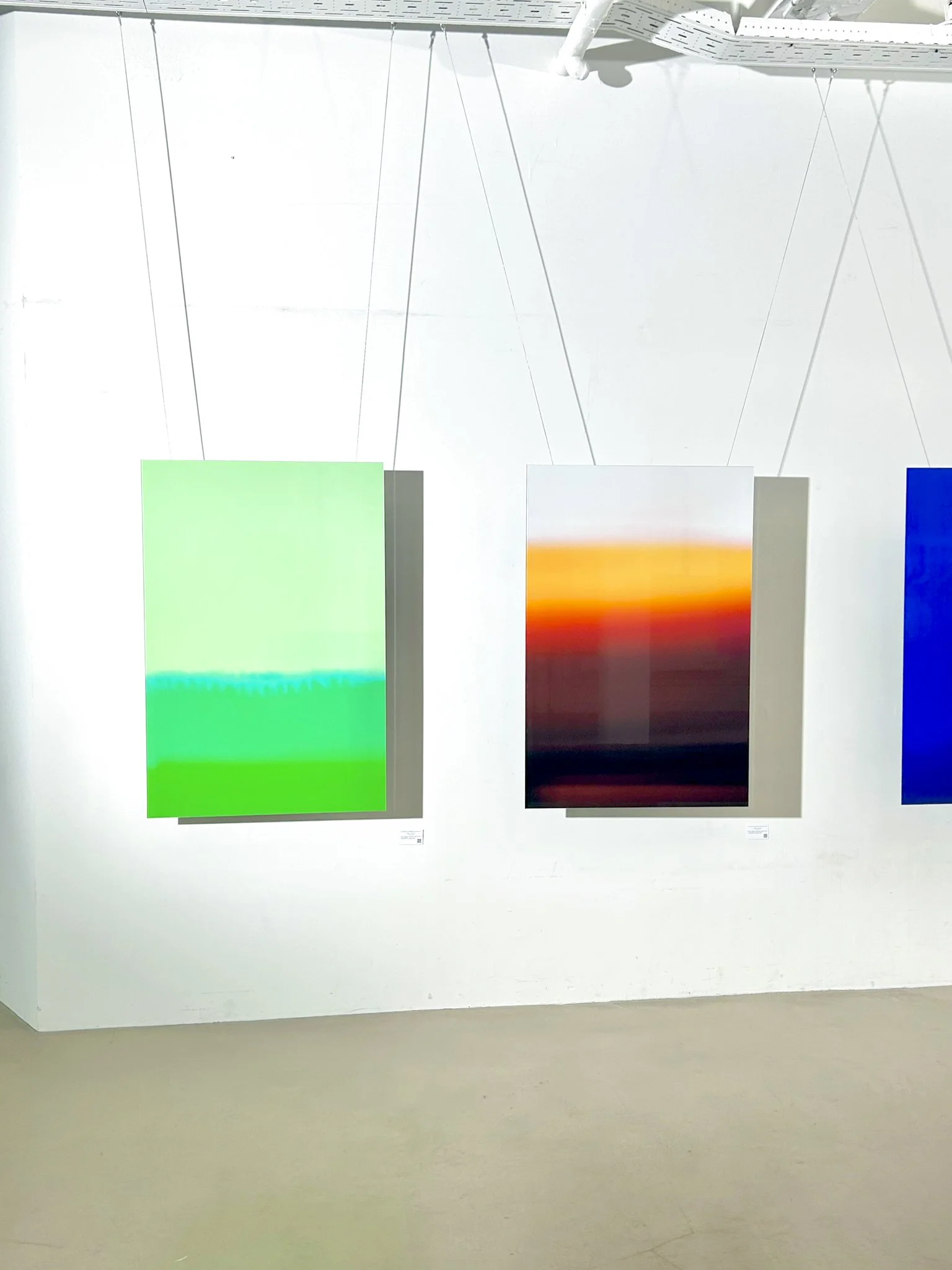
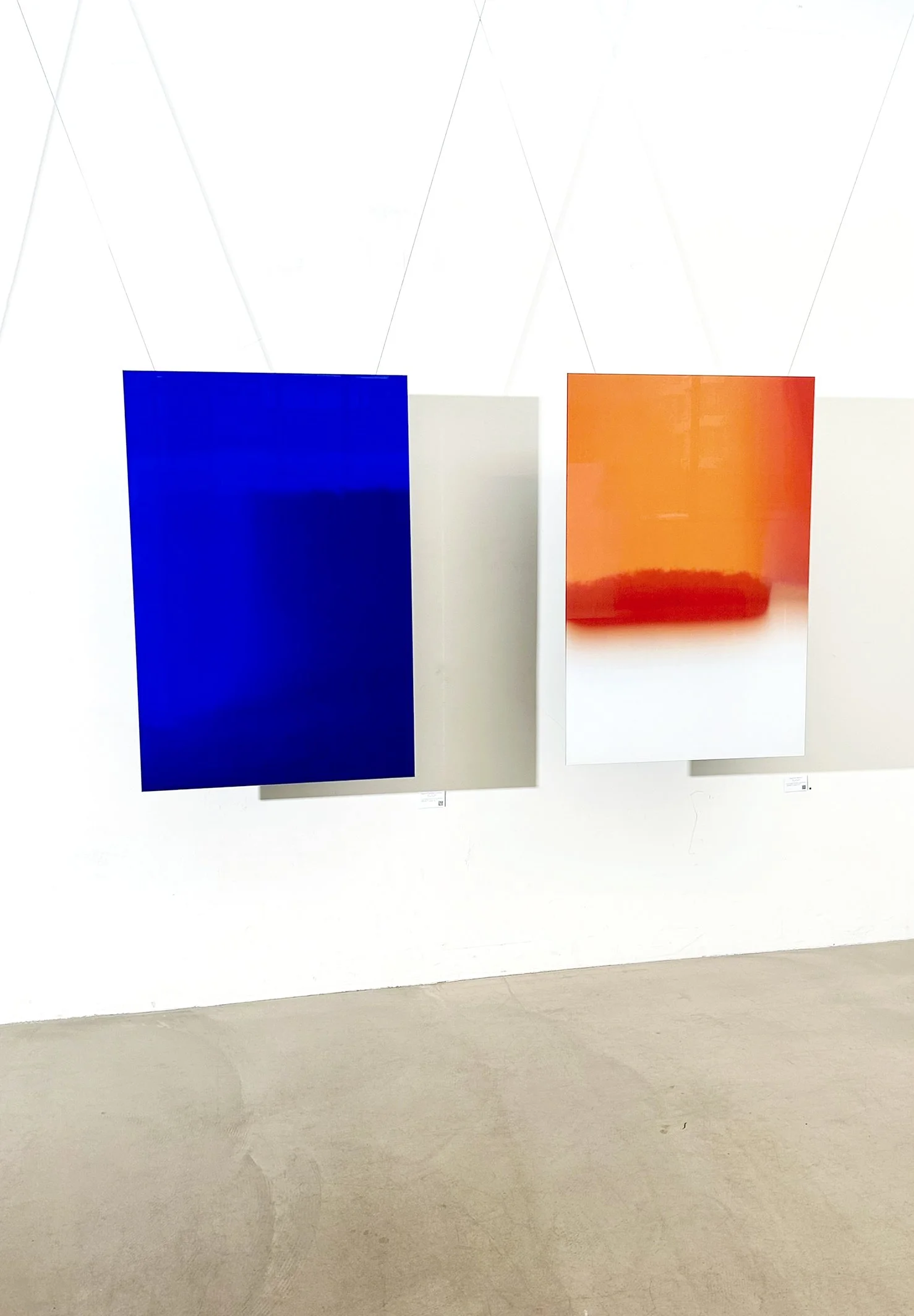
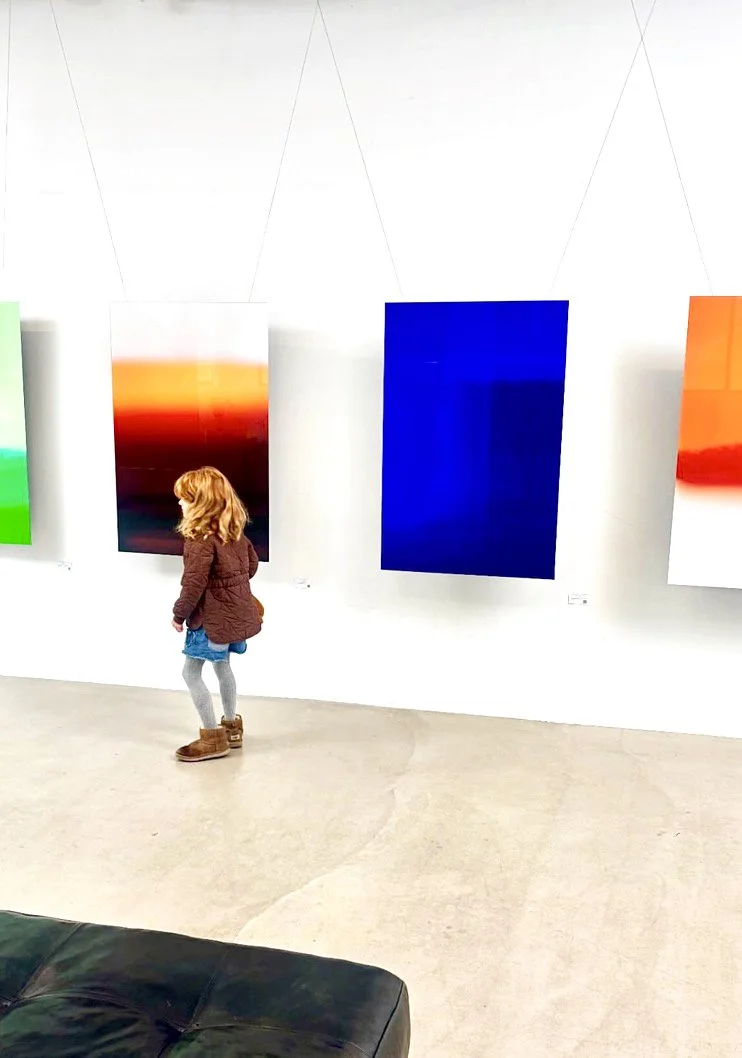
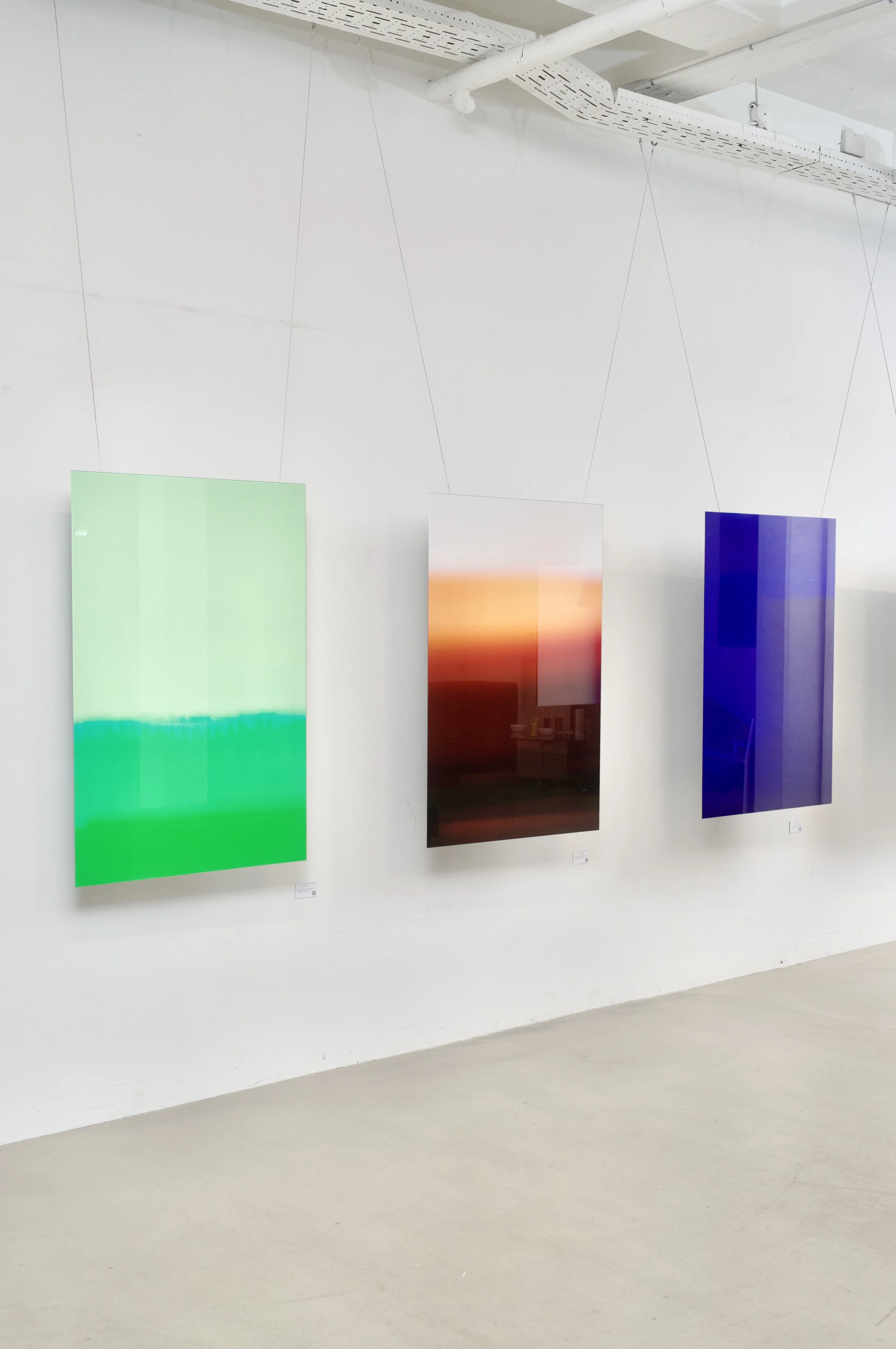
The Color of Crisis brings together a selection of Frederik Erfurt’s hybrid works situated between photography and painting. Working across canvas, painted photographic surfaces, archival paper, and glass-mounted pieces, the image emerges through processes that allow accident, drift, and material resistance to remain visible within the final form. What would normally be corrected or removed is retained and carried forward as structure.
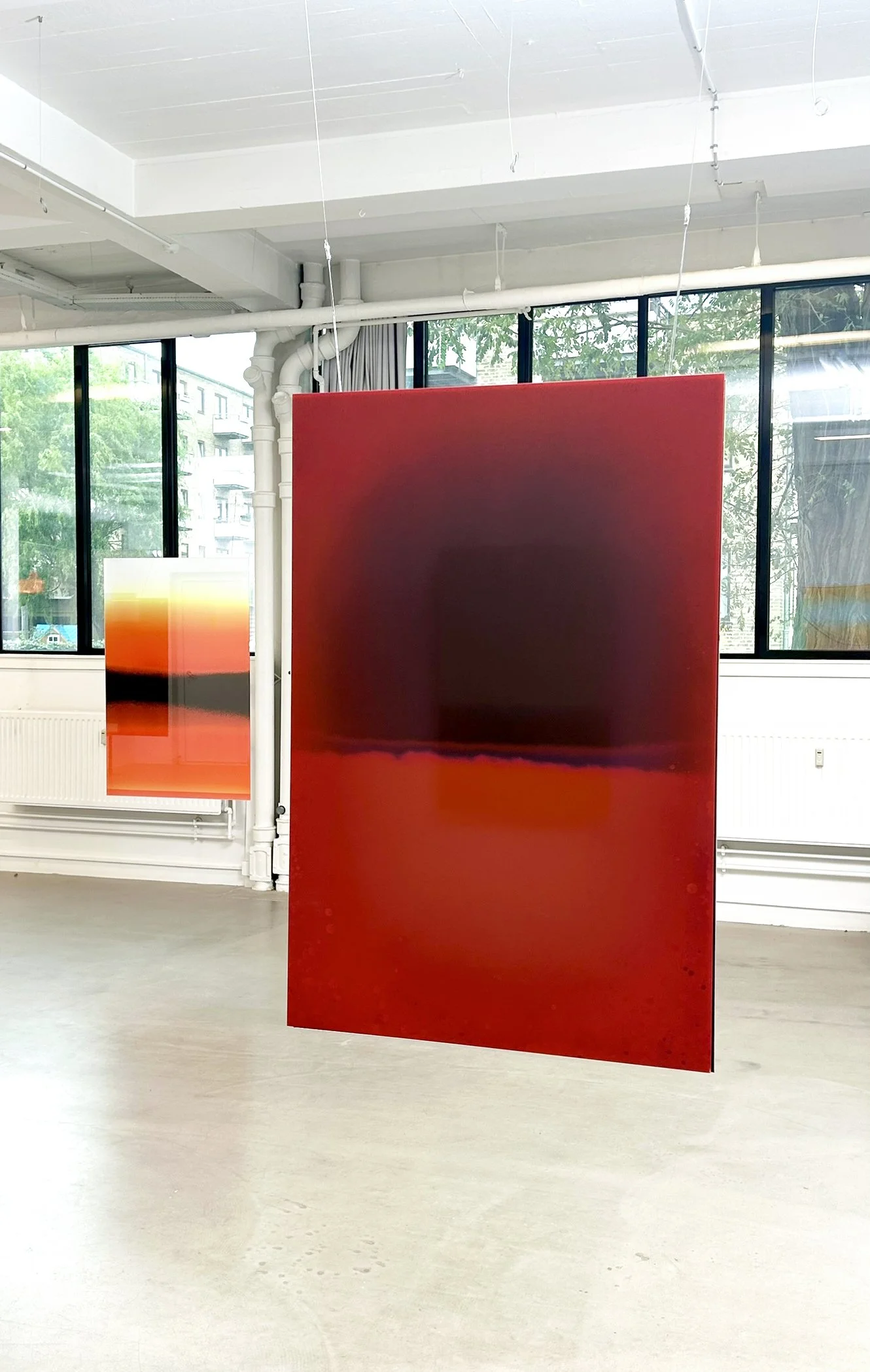
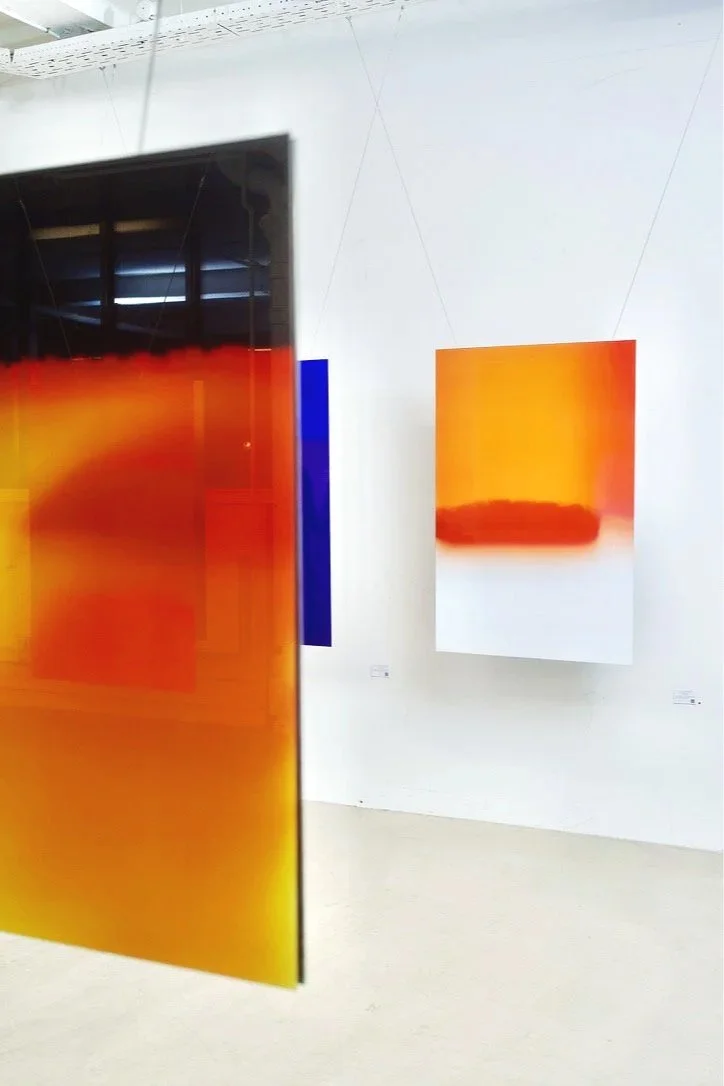
The works develop through layered processes involving analog film, pigment printing, oil, and acrylic. Depth is not constructed as illusion, but as a physical and perceptual condition produced through accumulation, compression, and light. Earlier stages remain partially present, allowing traces of adjustment and repetition to persist within the surface.
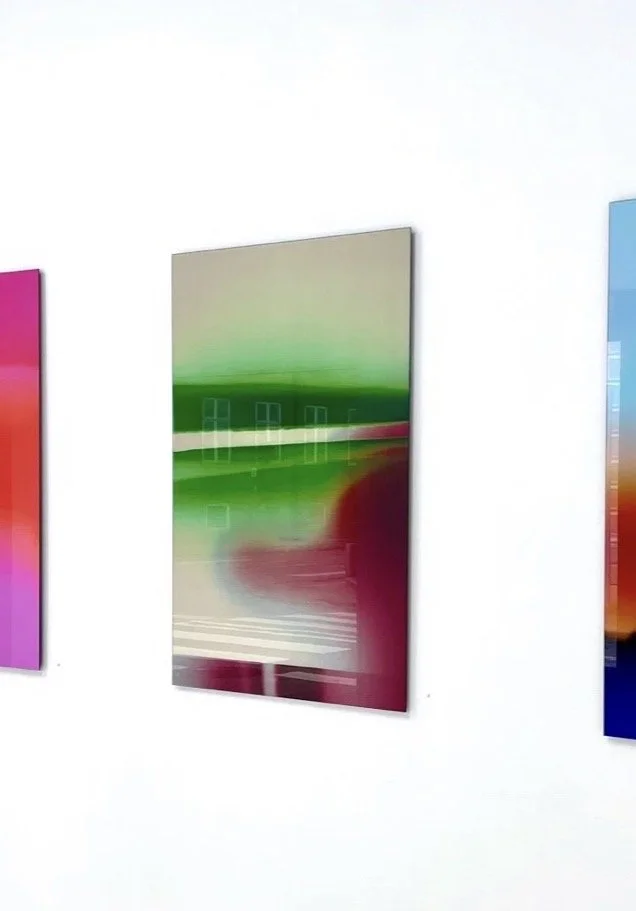
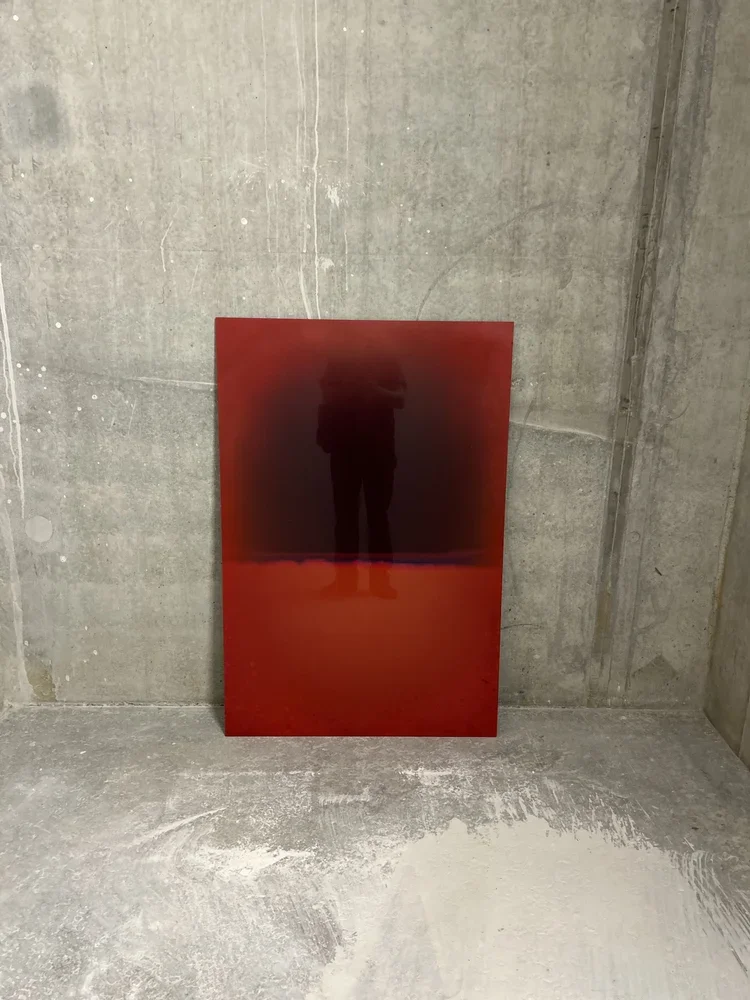
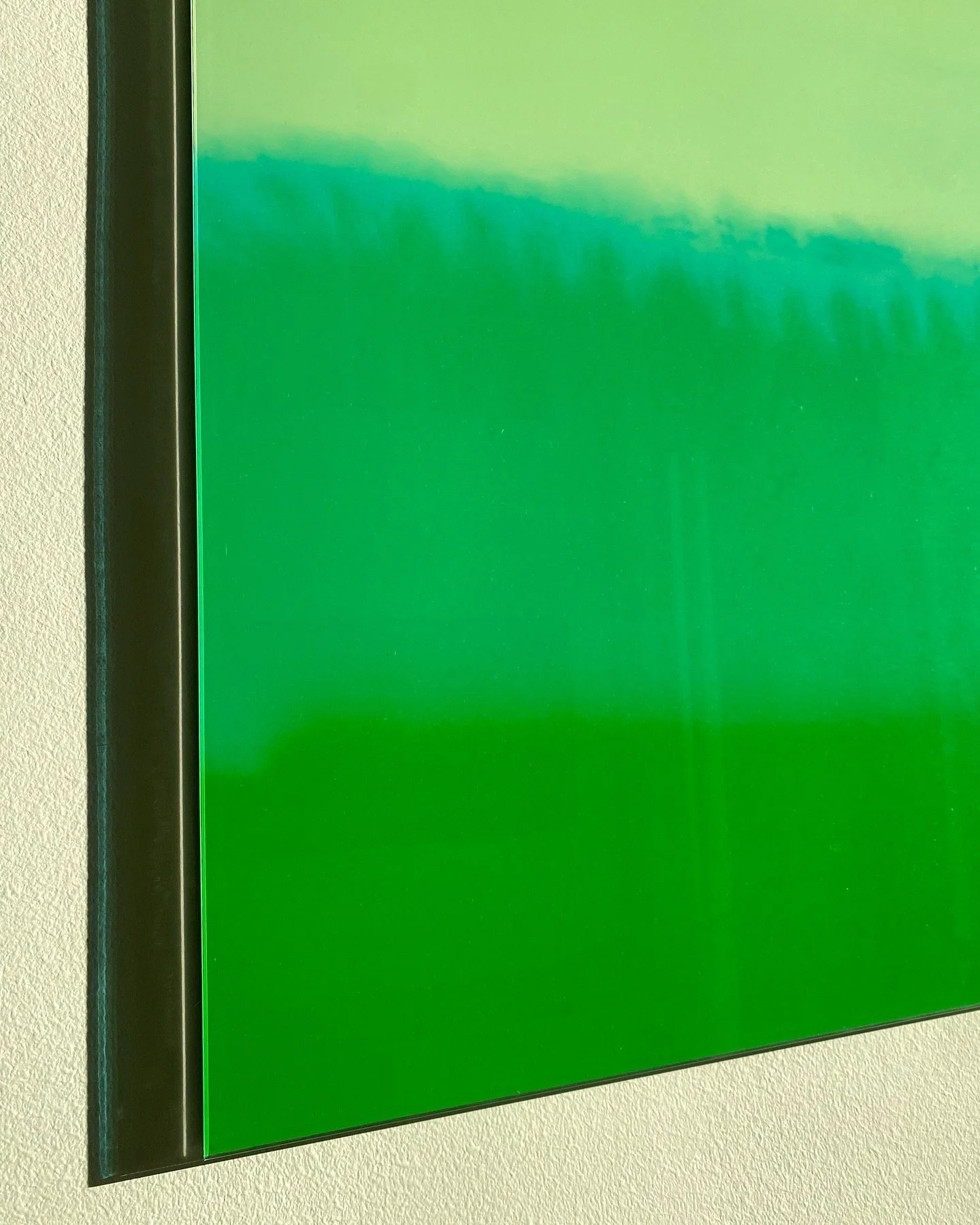
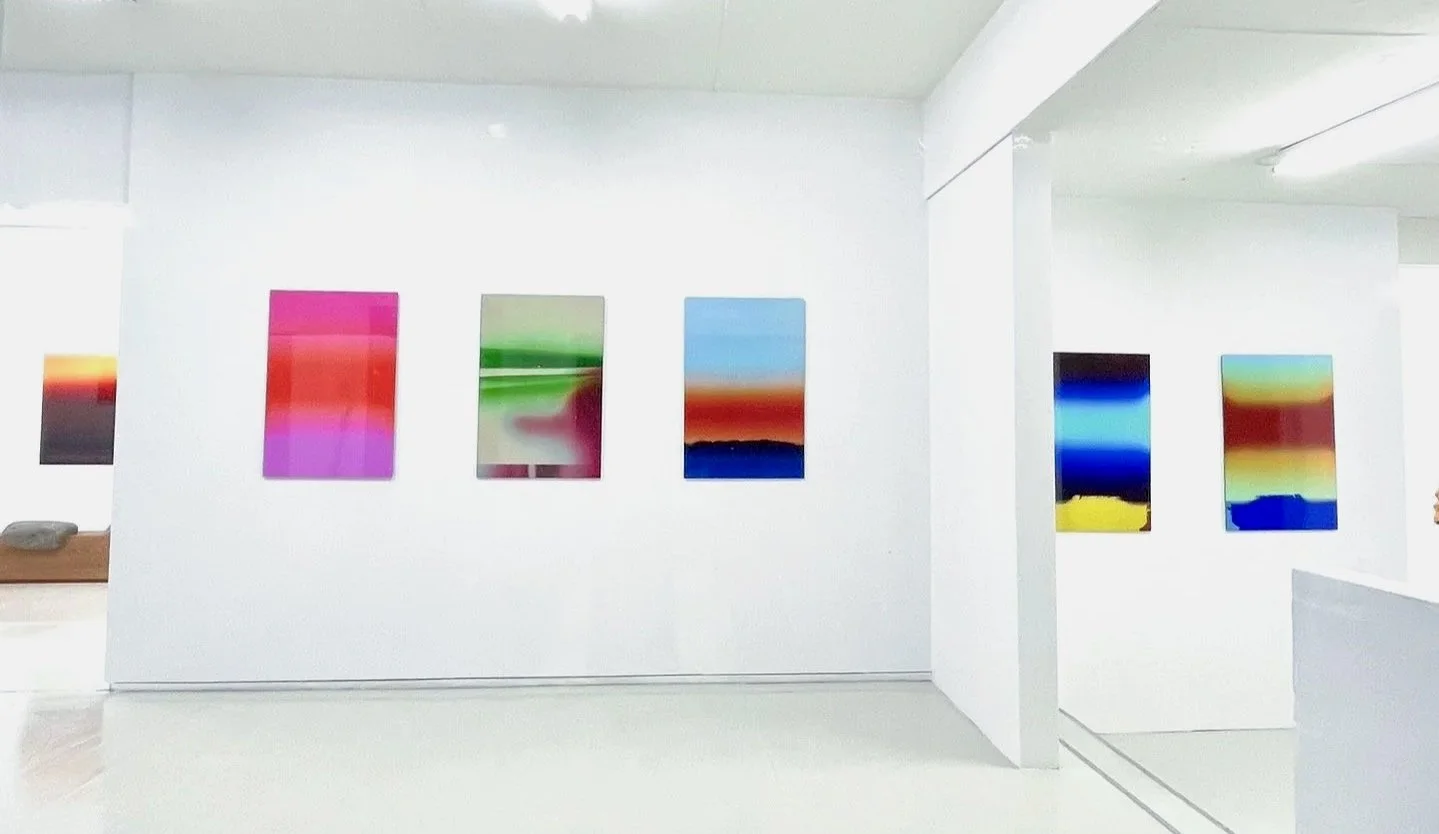
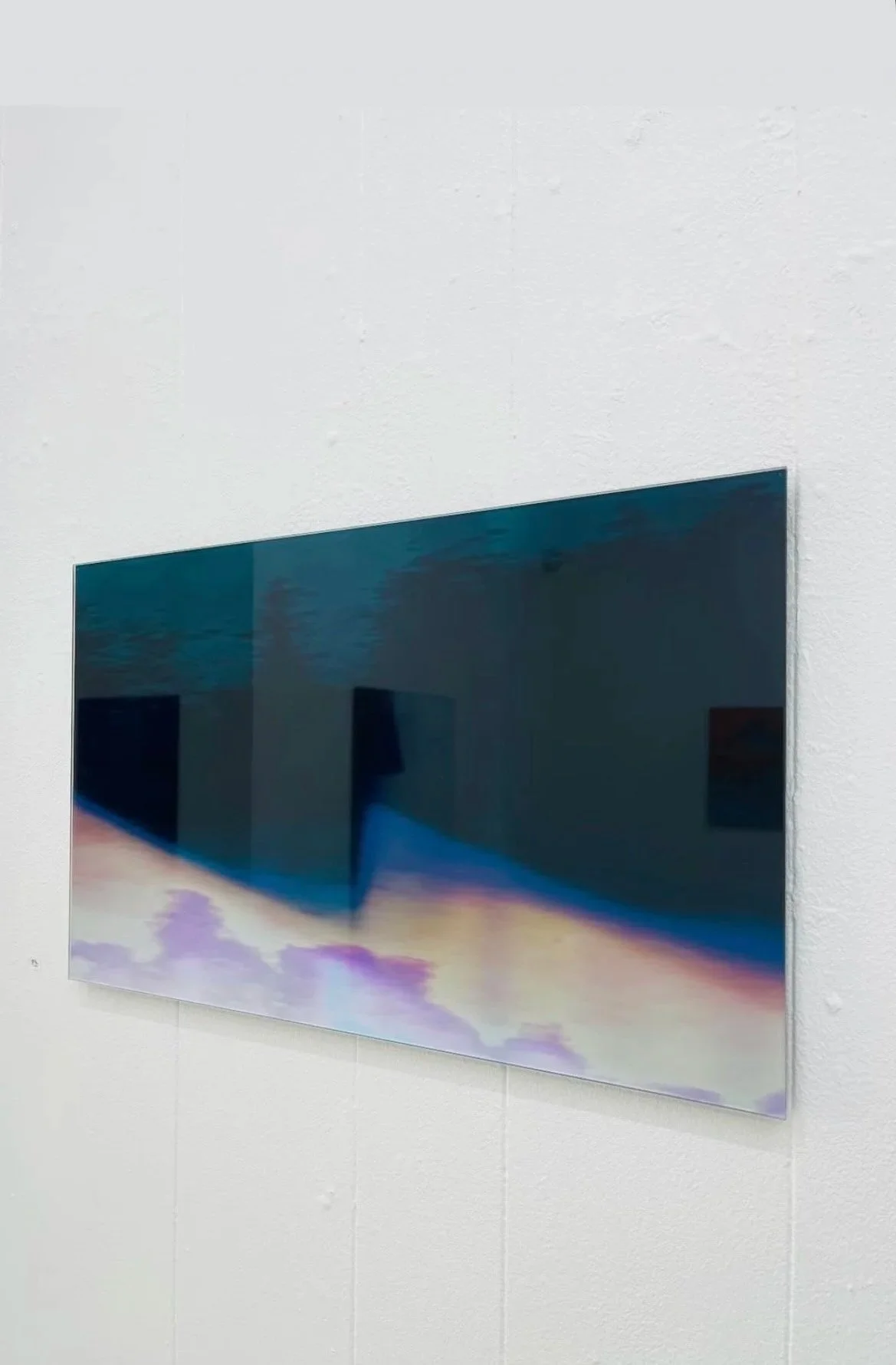
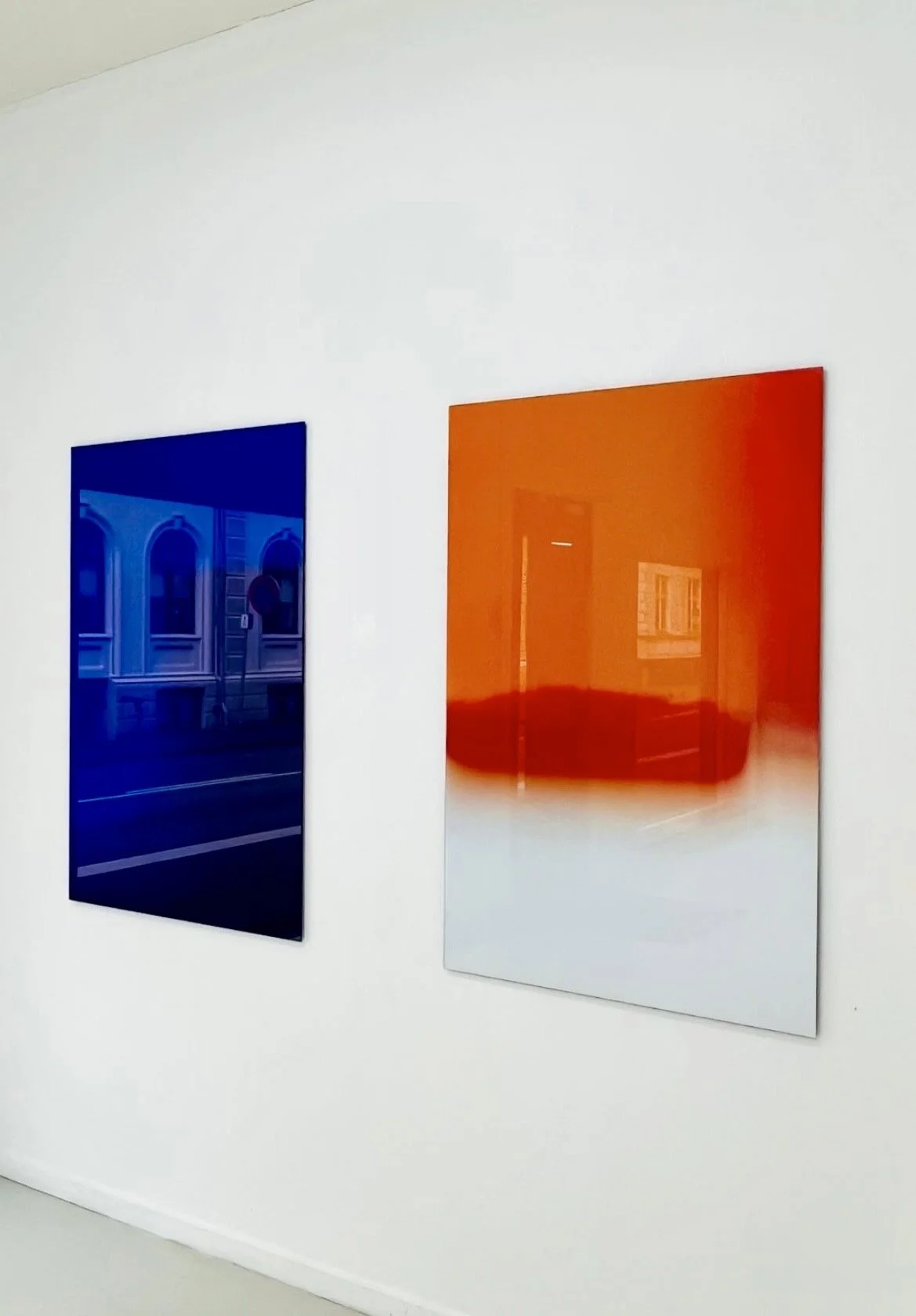
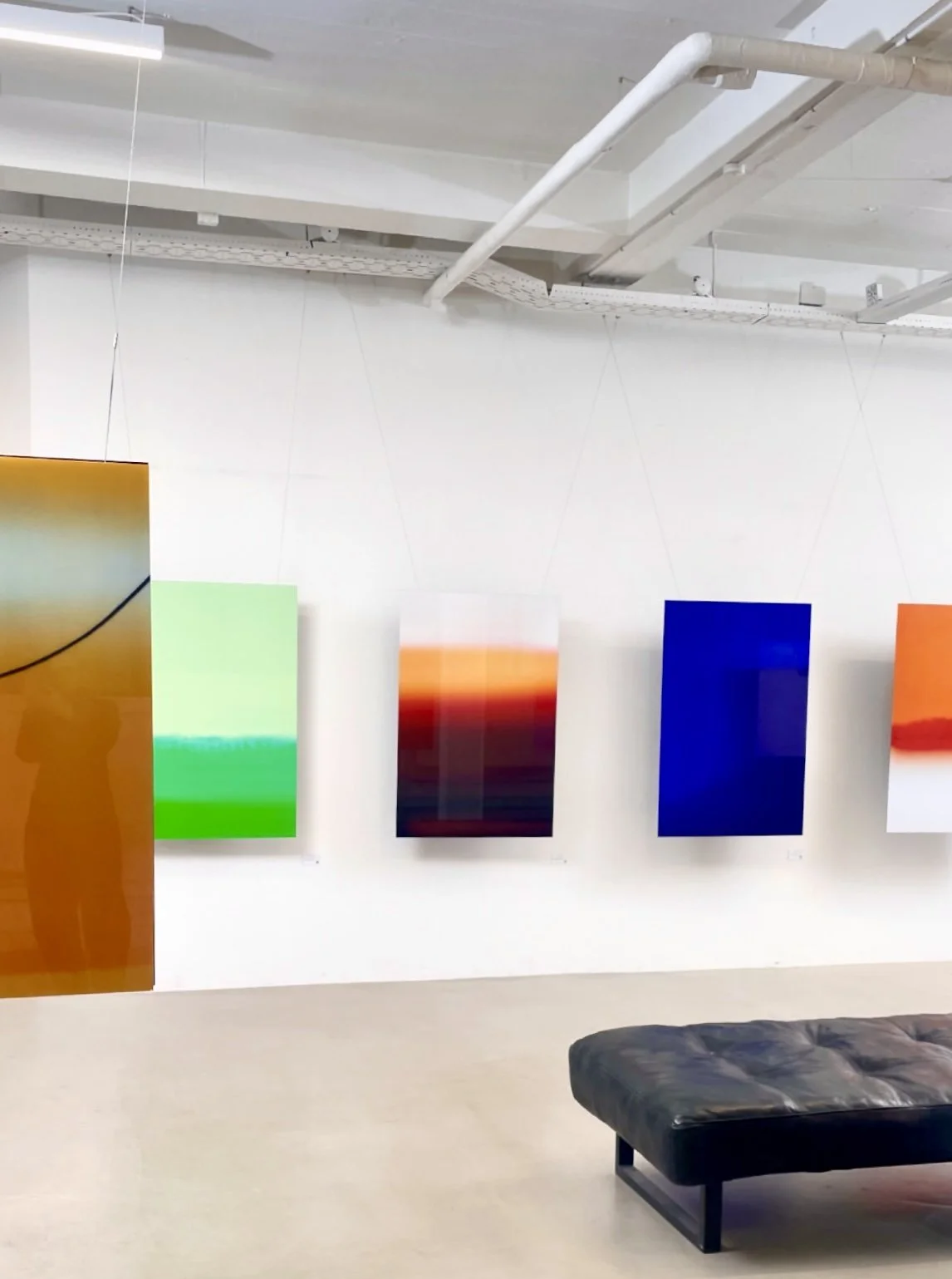
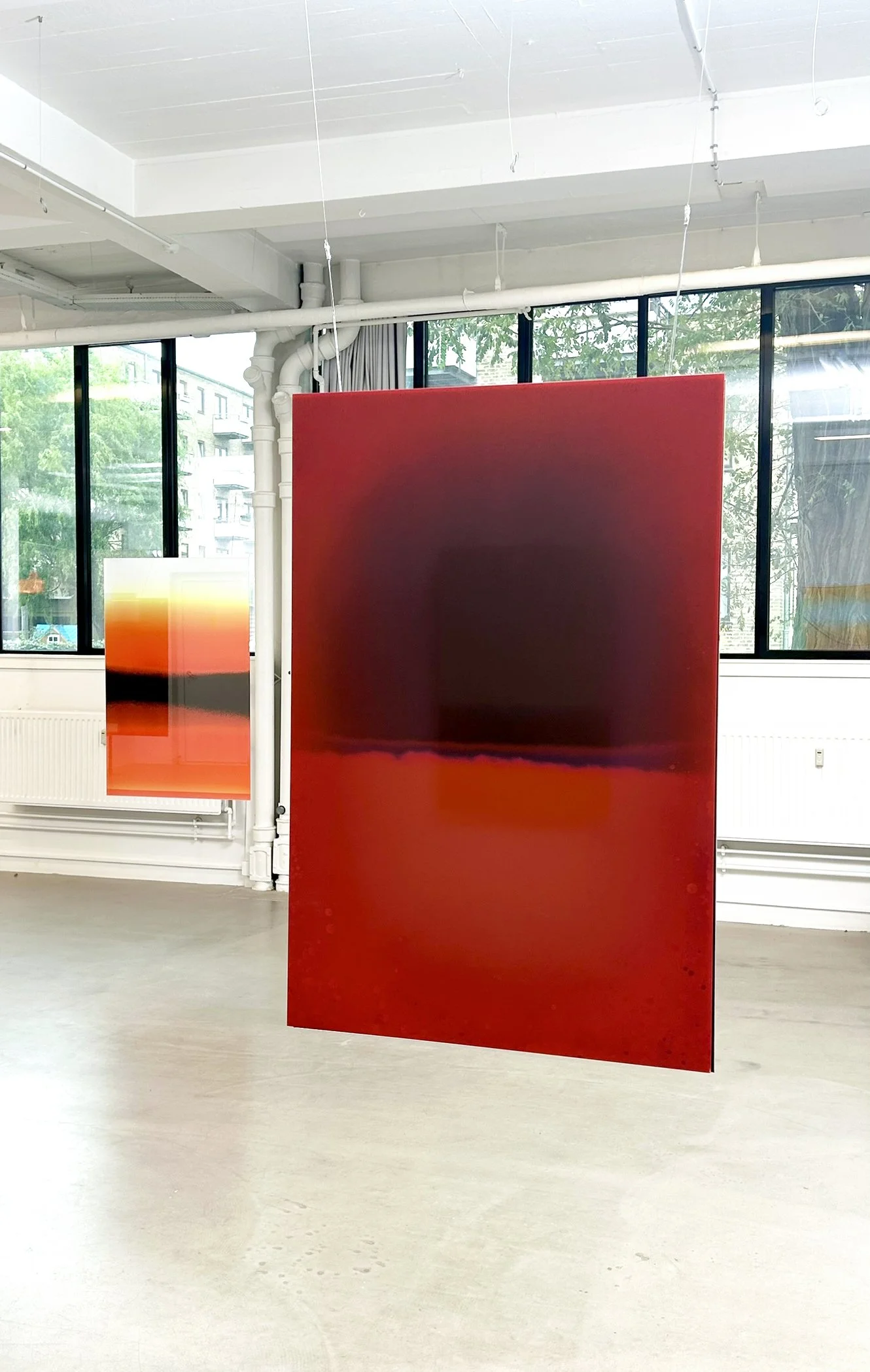
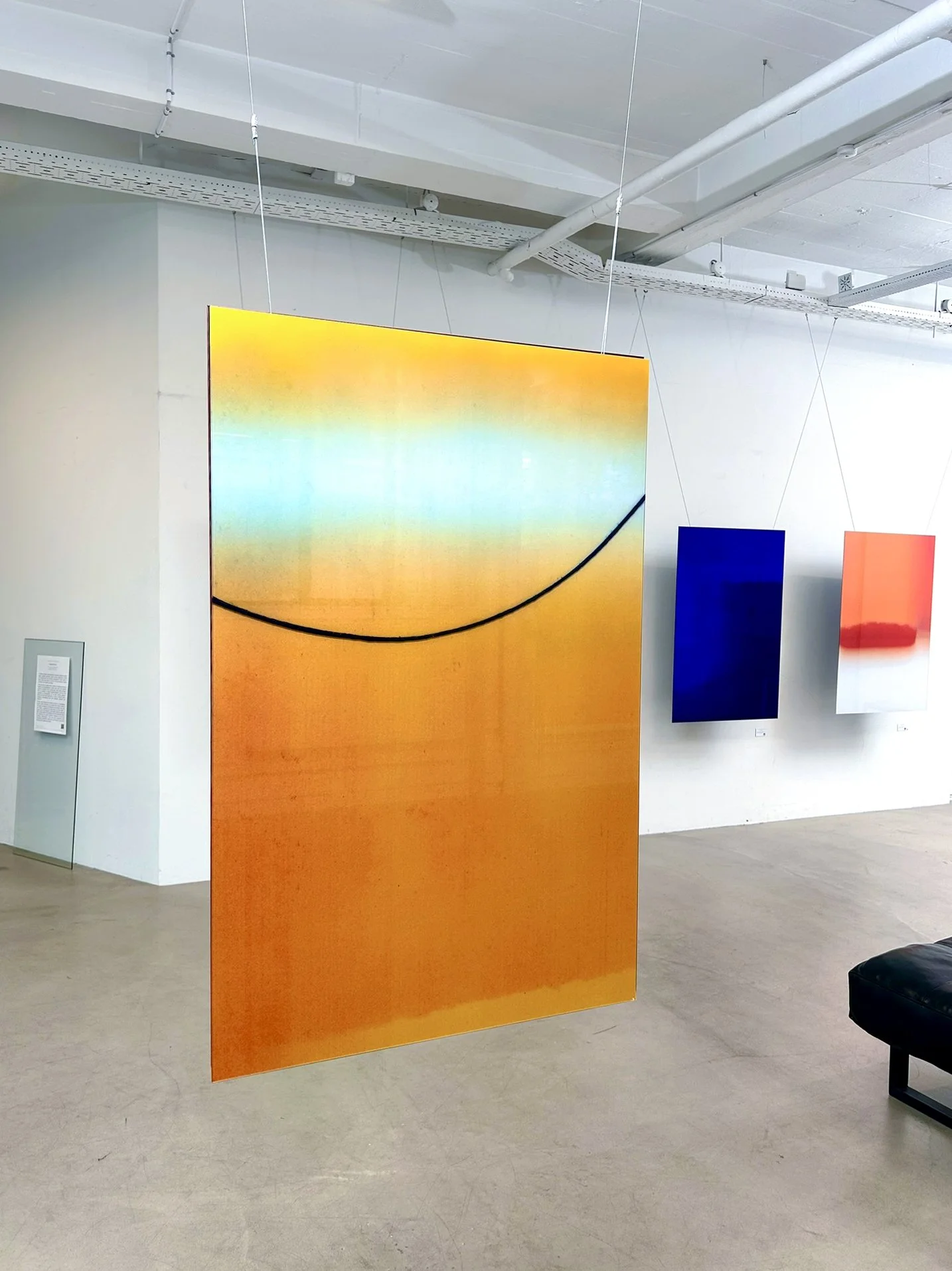
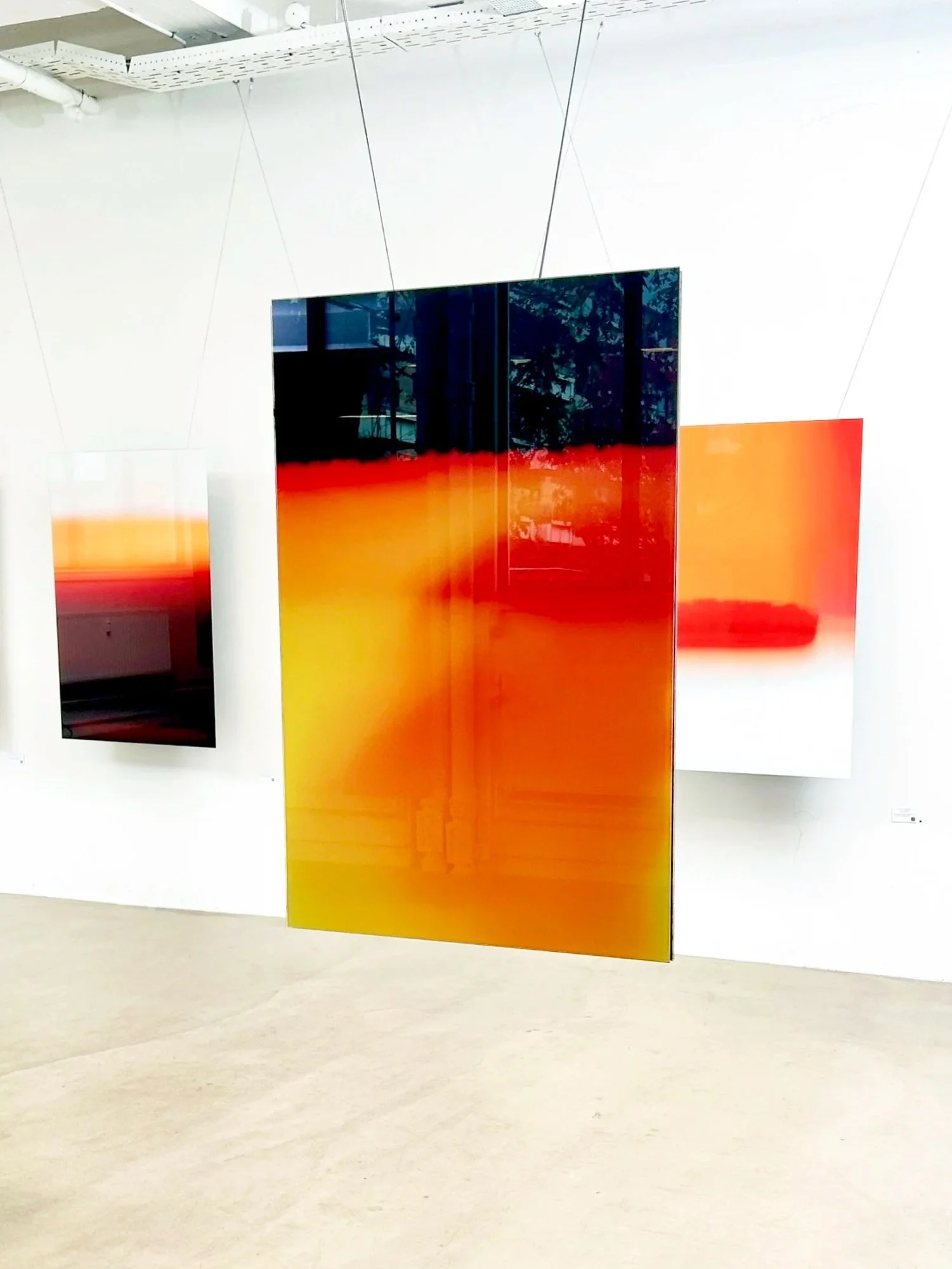
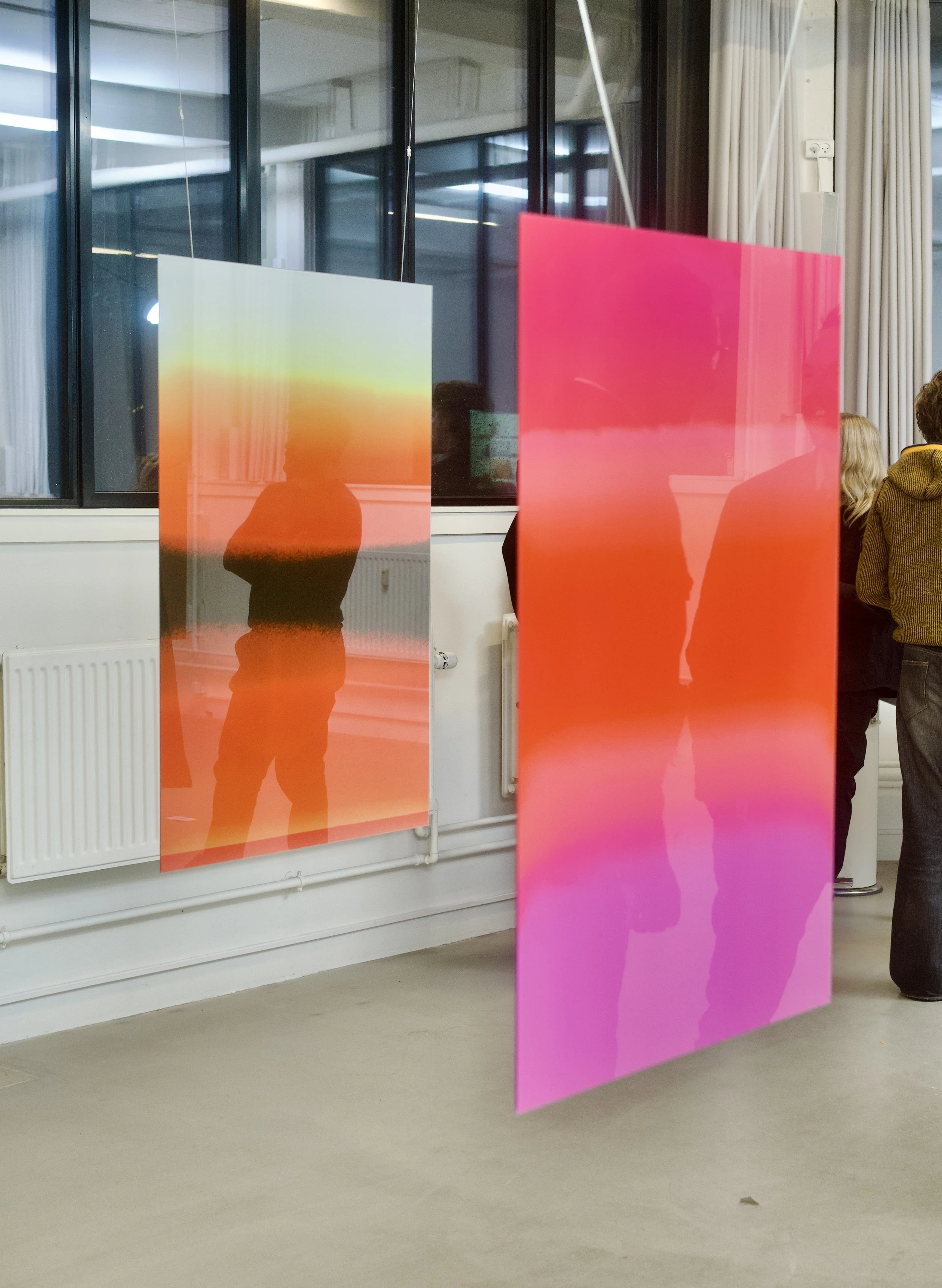
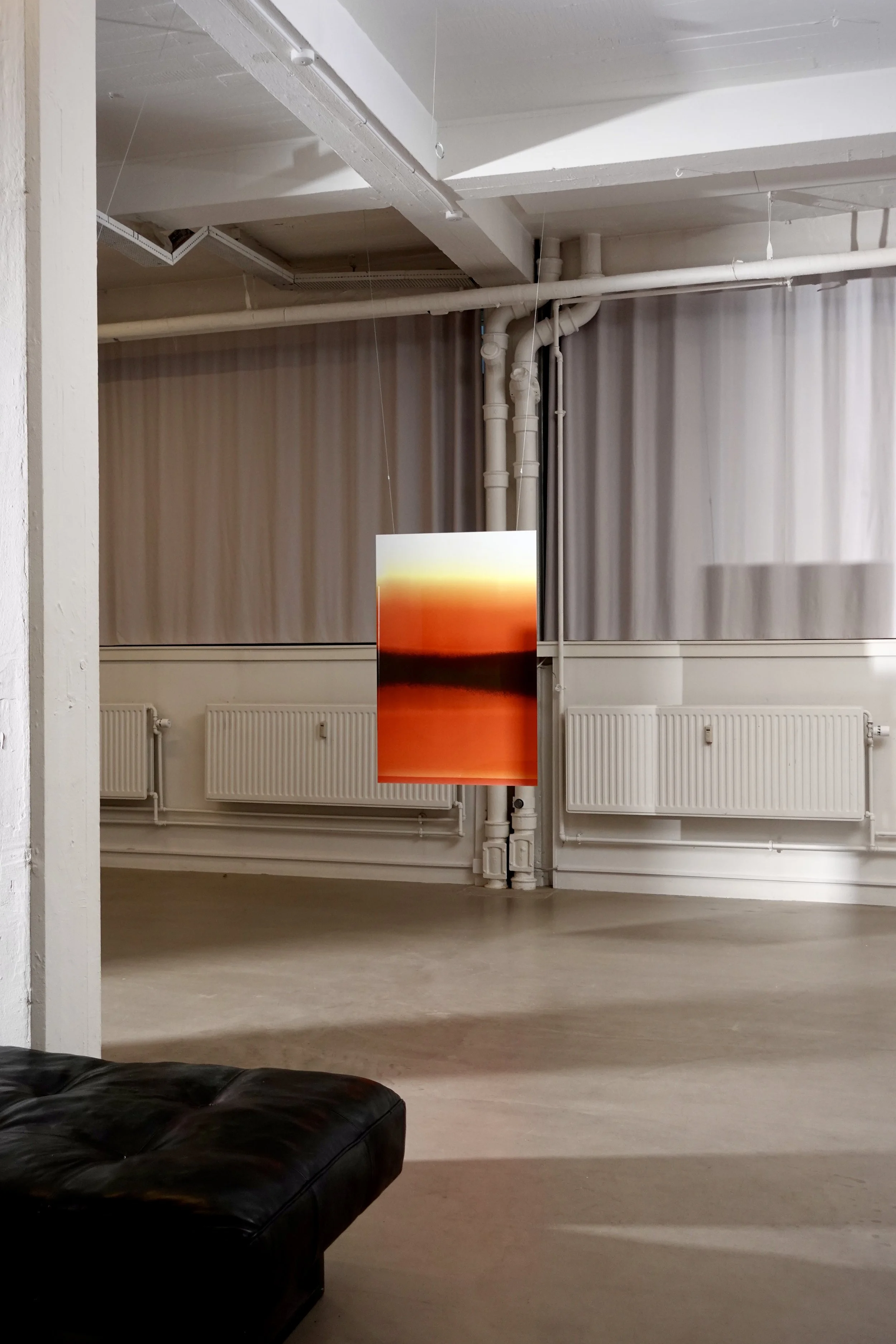
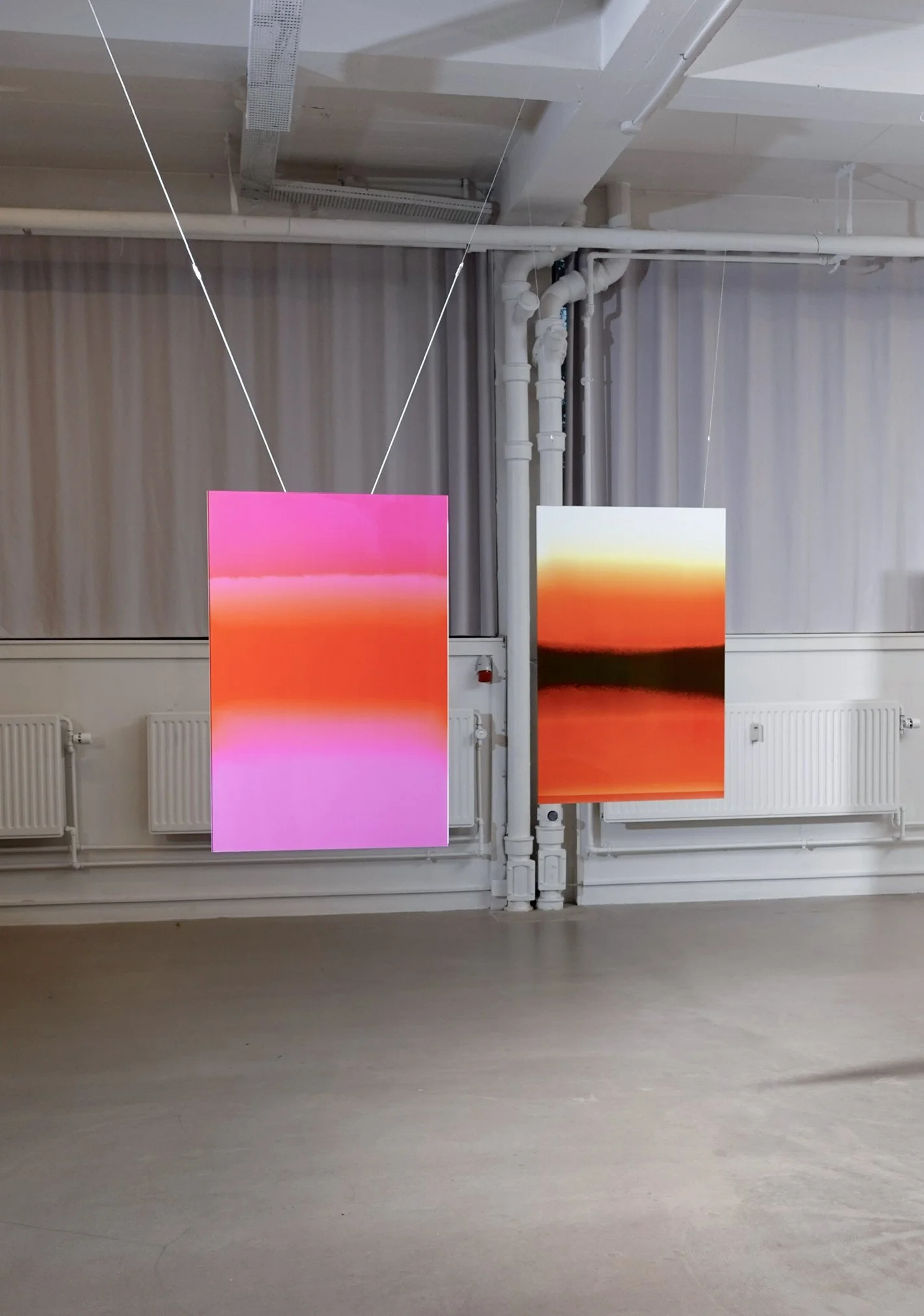
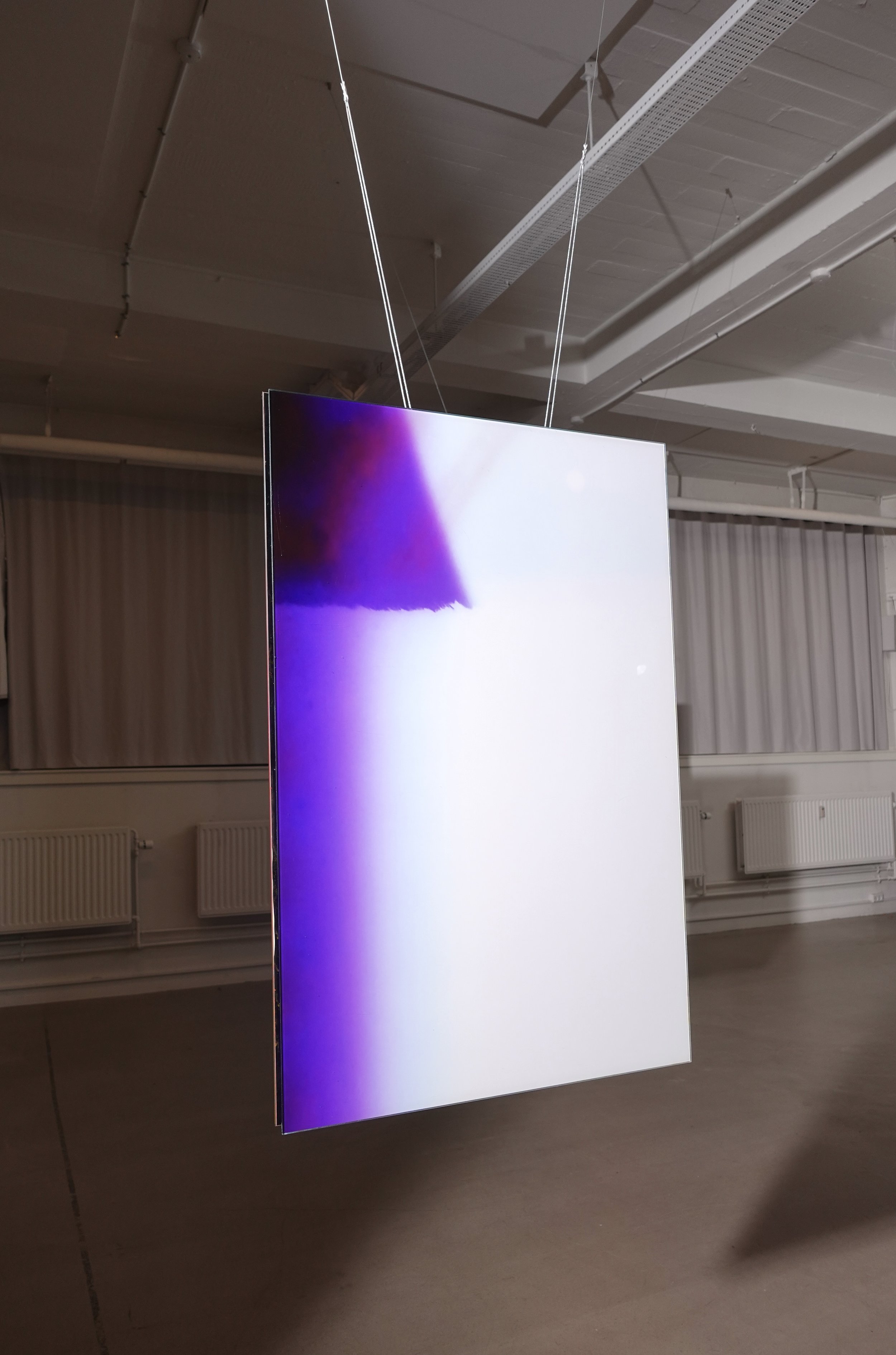
In the glass-mounted works, reflection becomes an active component of the image. The surrounding space enters the work, and the work shifts in relation to the viewer’s movement and duration of looking. Perception remains contingent; the image does not settle into a fixed state.
Across the exhibition, the works occupy a position between opacity and transparency, control and contingency. These conditions are not resolved but held in tension. The exhibition approaches the image as something unstable yet persistent — a structure formed through negotiation, where deviation is not interruption but a generative condition within the work itself. See work entries
The Color of Crisis exhibition is accompanied by a text by sociologist Nikolaj Schultz, whose work addresses ecological transformation, cultural imagination, and the shifting meanings through which we understand the world and its images.
-
Color of Crisis, Crisis of Color
Text by Nikolaj Schultz
Welcome to our New Climatic Regime, an epoch in history where several long-held assumptions about the world we live in are vanishing with the same pace as the Earth’s habitability is. A cosmological and political crisis¹ , as Bruno Latour taught us, where the planet we thought of as stable is reacting fiercely to our collective actions (Latour, 2015), and where the ‘nature’ we thought of as beyond our societies has turned into a fierce political battlefield (Latour, 2017). An existential crisis, as I have written about myself (Schultz, 2023a), in which the freedom we all believed in has turned out to be at the expense of our own species-Being’s long-term survival chances, and where disturbing affects and moral scruples emerge in the wake of our realization hereof. And finally – but somewhat less discussed – a cultural crisis, in which our cultural imagination also appears to be reconfiguring. A historical moment, where our shared images, symbols, and aesthetic representations and their significance are metamorphosing, and confusingly so.
Let me give a few examples illustrating the plausibility of such an unfolding cultural climatic crisis. As a cultural image, ‘the coast’ (or ‘the beach’) used to represent a place of freedom and ultimate leisure, a place embodying the very idea of ‘dreaming oneself away’. However, today, coasts or beaches have become some of the first places disappearing due to climate change, now symbolizing the loss of a world that used to be just as much as a place we used to dream ourselves away to (Schultz, 2023b). In a similar manner, airports used to culturally symbolize a global outlook, discovery, and curiosity. In (late-)modernity, walking through an airport encapsulated gazing at the open horizon – it meant adding perspectives to the world. Today, however, one can ponder if not airports have become churches of bad faith, equally representing moral perplexity – as architectures of destruction, they have turned into places that literally make the world shrink rather than making it bigger, and hence a cultural image of earthly hubris rather than progress.
And as a final curious example, bringing us closer to the thematic of this exhibition, try to pose yourself the following question: On a boiling hot planet, does or could the cultural significance of the Sun itself perhaps be somehow transforming? And if there is a grain of truth to that hypothesis, then what happens to the color of yellow? In a time where the sun not only means life, warmth, and vitality, but also heatwaves wildfires and drought, could the color of the sun perhaps also be in the midst of undergoing a change of meaning? Could this color which for Goethe as well as Van Gogh represented happiness, joy, hope and optimism today or tomorrow be attaining a more ambiguous not to say dark or anxious meaning (Schultz, 2024)?
This is just a thought experiment, but I hold that it is one worth entertaining – especially, as I mentioned above, in the context of Frederik Erfurt’s intriguing exhibition. In order to understand why we need to pause for a second and take a step back in time, with those who do so professionally. Now, as French historian Michel Pastoureau has taught us, in his awe-inspiring and convincing studies of the history of colors, then no colors are static, carved in stone, or fixed. Instead, we must understand that all colors are historically and culturally constructed and negotiated – their meanings have continued to change again and again over millennia (Pastoureau, 2018)².
Colors have many cultural nuances, so to speak, they are social phenomena rather than natural phenomenon, and the way we perceive them and their significance transform together with the societies that imbue them their meanings³.
One of Pastoureau’s important theoretical conclusions is that not only do we fail to understand colors themselves but also cultural and social history if we assume that colors are static and if misunderstand them as always having carried the same meaning as they do today. But from his argument, we can furthermore deduce something else: With major historical ruptures, social upheavals or cultural transformations, then sometimes – with time – we can see different meanings or significances of colors emerge. At this point the reader probably already figured what I am aiming at here, because as already indicated above, then major social and cultural transformations are certainly what (continue to) emerge in the wake of the Anthropocene epoch.
And hence, the question at crux of it all: Isn’t it possible that not only the nuance of only yellow, but the whole palette of colors today could see their meanings potentially redefined or re-configurated – either right now, or in a near-coming future? I at least believe this is a hypothesis worth pursuing. And if one does so, another question worth posing naturally emerges: Within the framework of the cultural crisis, I spoke of above, could it also be that we are today living in a crisis of color⁴?
All of these curiosities do appear to me as relevant to investigate for social or human scientists as they do for artists – and hence the importance of Erfurt’s exhibition, carrying a similar name. Because even if I am neither an art scholar nor an art critic – and therefore not in any position to judge the aesthetic value of these work – it nonetheless does strike me that this is precisely the topics at stake here. In a moment of crisis, what happens with the colors of the world? How do colors appear to us today, and how are they perceived? Is their significance transforming today? Do their nuances mean the same as they used to, do the evoke the same, or is something changing? Or again, might we be living in a crisis of color? And perhaps, most importantly: What might be the color of a crisis?
Of course, it goes without saying that the Crisis of Color exhibition does not offer any answers to these questions – only indications, clues, and intuitions on how to continue the investigations and ponderings upon them. But precisely by doing so, it does operate in the projective sense great art sometimes does – that is, it borrows from the present, but it is indebted to the questions of the future. In bleak times where all nuances seem to be fading, and where we are indeed all navigating in the dark, one can rarely ask for more of any exhibition, let alone any young artist.
1 The term ‘crisis’ here ought to be understood in the way as the existentialist tradition’s way of understanding it – that is, as a rupture of meaning.
2 See especially the introduction chapter.
3 The color yellow, to use the same example, went from being the of honey in the Neolithic period, the color of sun and gold in Ancient Europe, the color of lying in the late Middle Ages and forward. See Michel Pasteoureau (2019).
4 Again, remember here that the term ‘crisis’ means a rupture of meaning.
Bibliography
Latour, Bruno (2015) Facing Gaia, Oxford, UK: Polity Books.
Latour, Bruno (2017) Down to Earth, Oxford, UK: Polity Books.
Schultz, Nikolaj (2023a) Land Sickness, Oxford, UK: Polity Books.
Schultz, Nikolaj (2023b) “Epilogue: Dreams”, in: Pierrot, Tropisms. Bali, IN: Equator Books.
Schultz, Nikolaj (2024) “Another Metamorphosis of Yellow? Van Gogh in the Anthropocene and ‘New Existentialism’, in Curiger, Brice (ed.) La Haute Note Jaune, Arles: Fondation Vincent van Gogh Arles.
Michel Pastoureau (2018) Blue: The History of a Color, Princeton, NJ: Princeton University Press
Pasteoureau, Michel (2019) Yellow: The History of a Color, Princeton, NJ: Princeton University Press.Nikolaj Schultz (DK), Sociologist, PhD, and Assistant Professor at Aarhus School of Architecture. One of his generation's leading figures in contemporary social theory and ecological thought. His work explores the intersection of sociology, politics, and the climate crisis.
'Accident & Intention'
solo exhibition by Frederik Erfurt
JUBO - Oct 2025
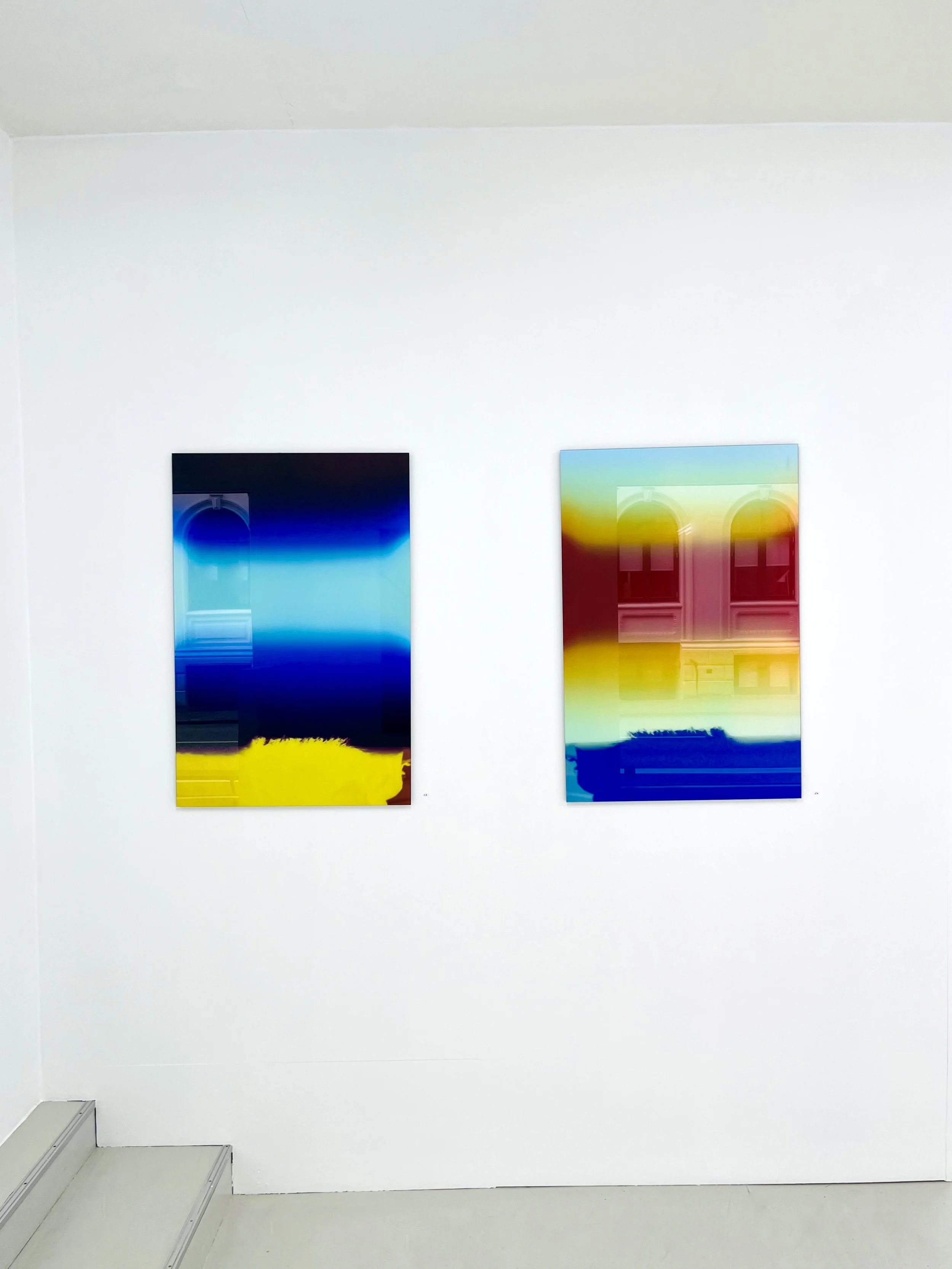
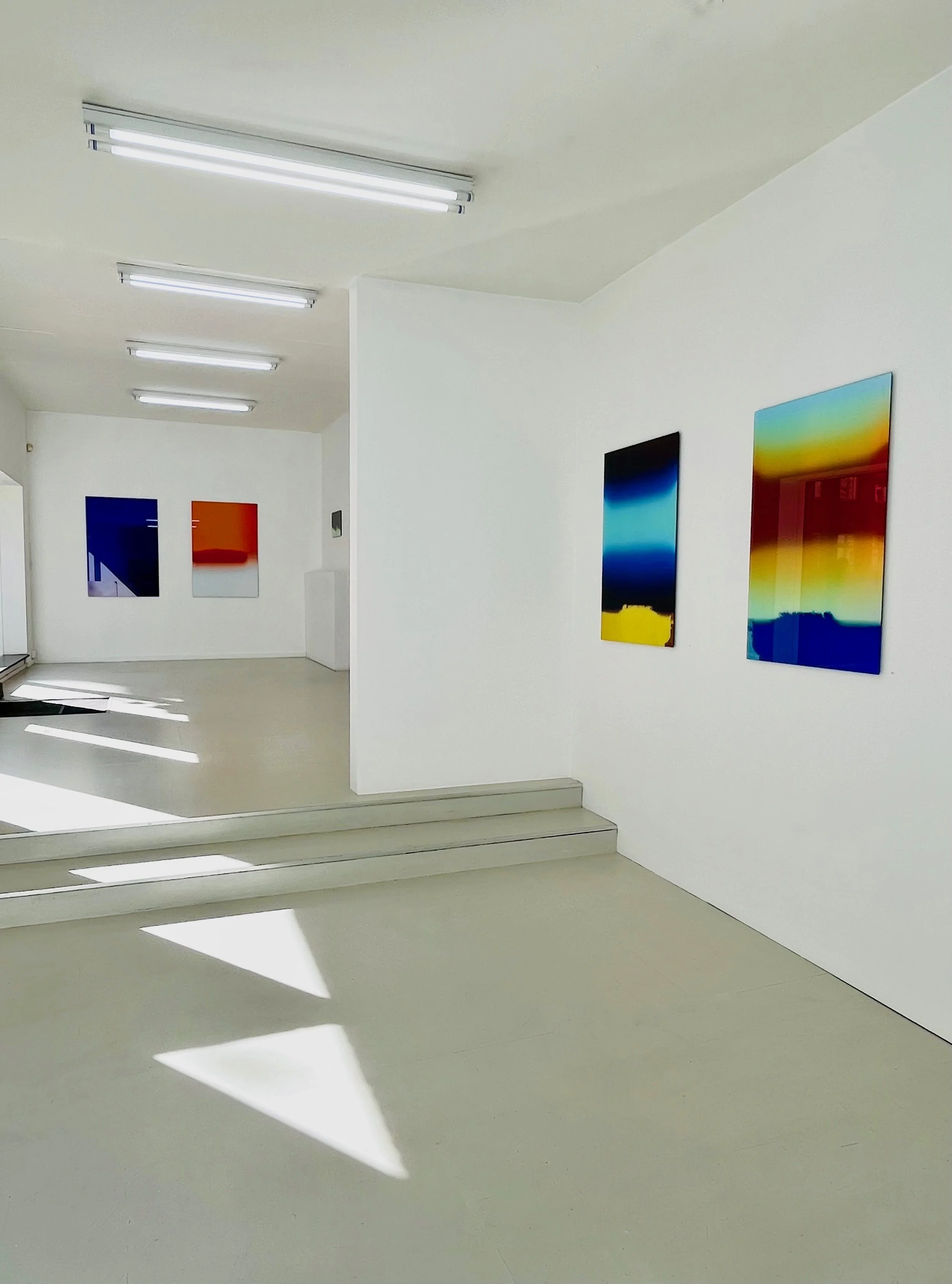
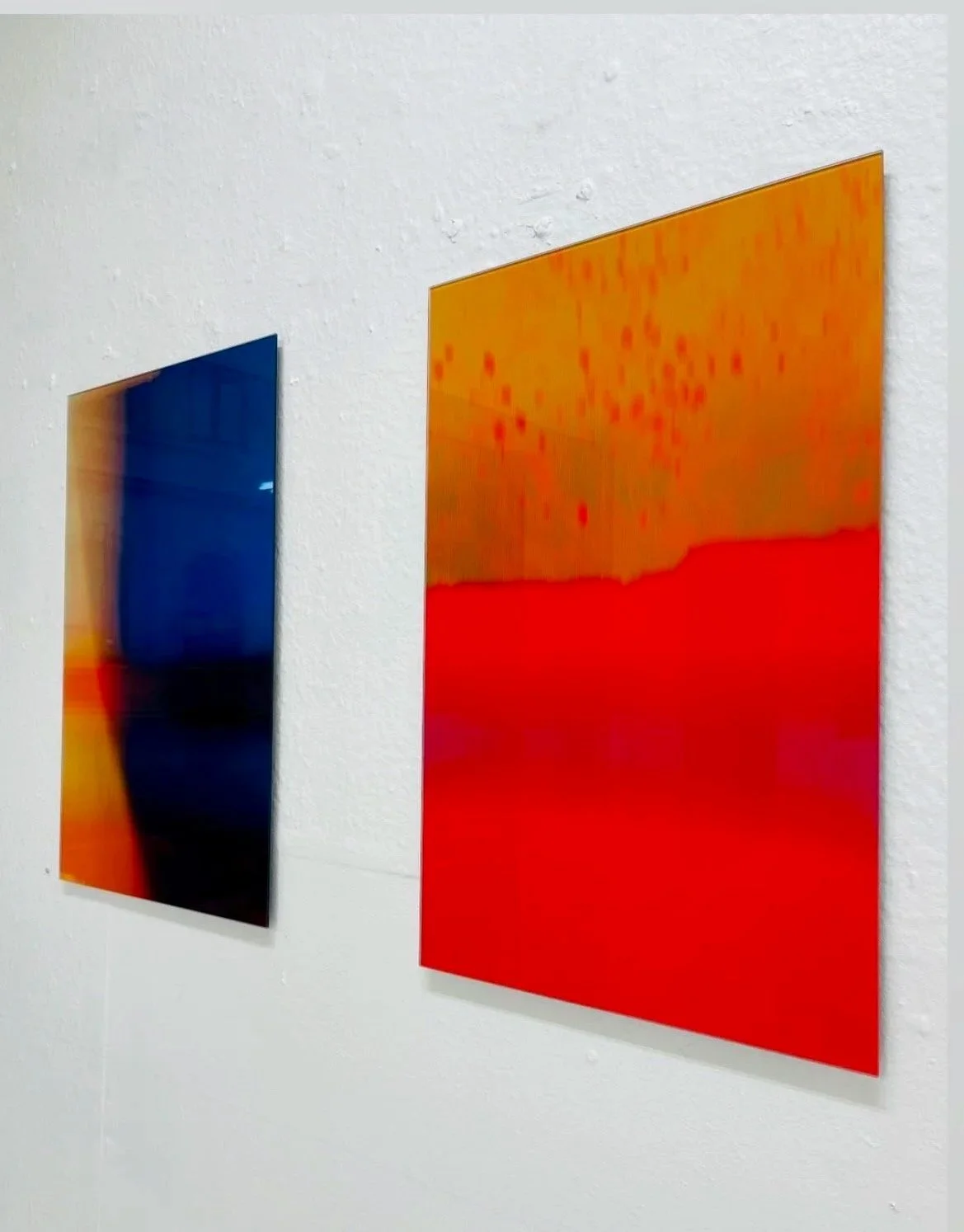
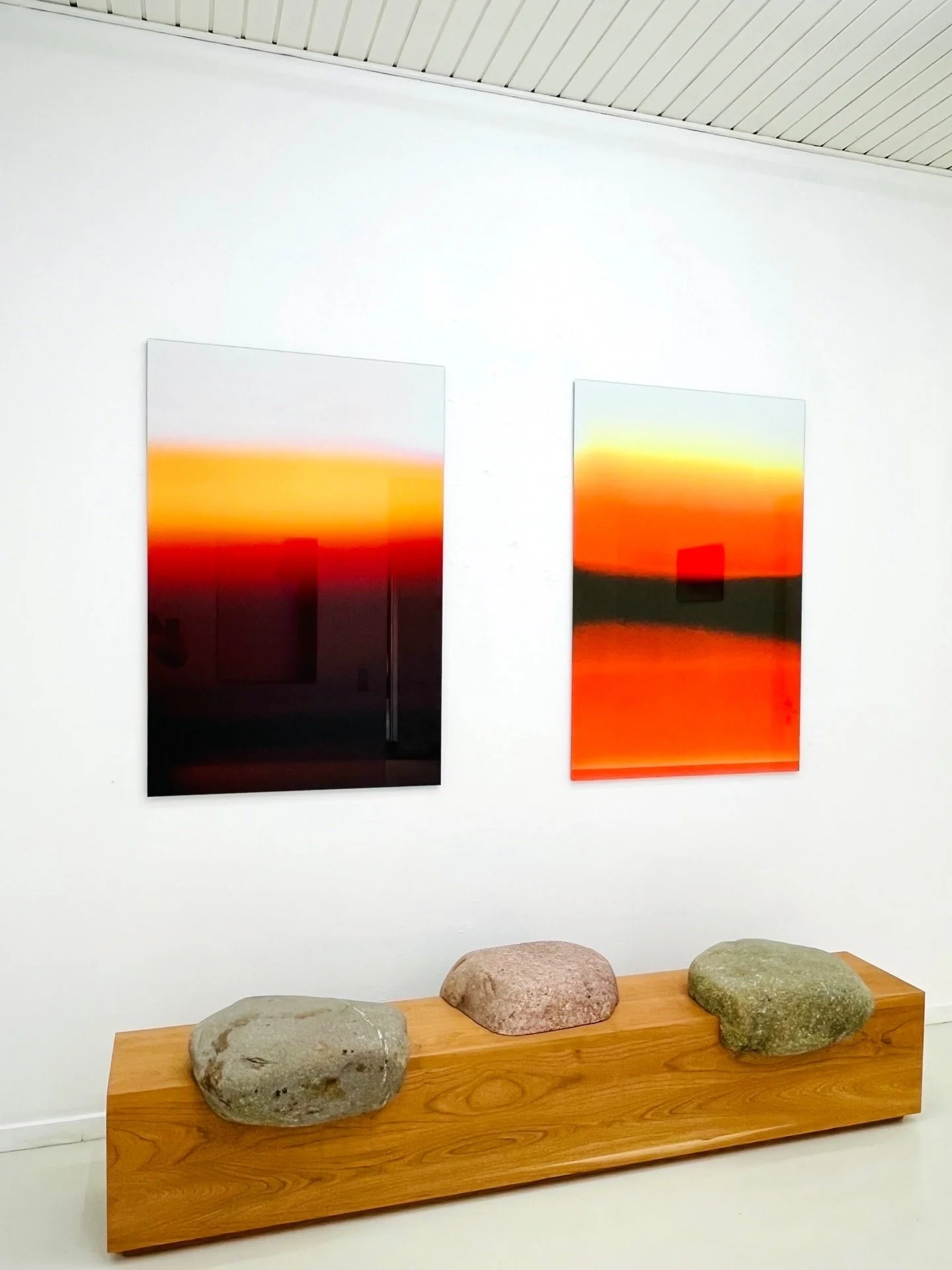
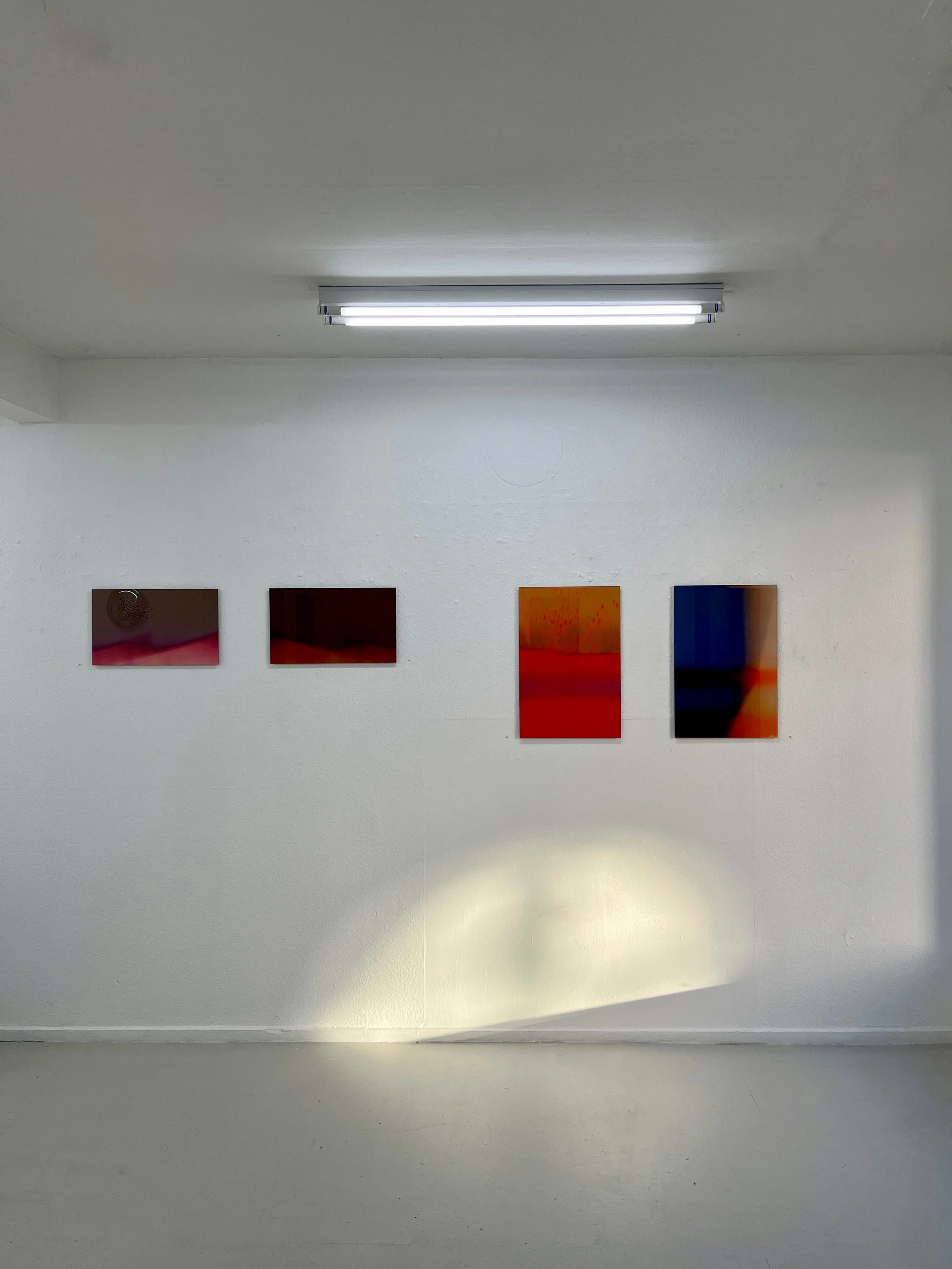
A fleeting instant, once discarded, becomes radiant through glass, pigment, and light. Layer by layer, fragments of time are transformed into luminous abstractions. Each work is both surface and depth, an echo of the unconscious, where accident and intention converge.
This new body of glass works unfolds as a dialogue between fragility and transcendence, where color, light, and material become conduits of the unconscious. Each piece emerges from a process of layered experimentation, involving the exposure of photographic film to light, archival pigment prints, and the direct application of oil and acrylic paint to diamond glass, creating compositions that shift between accident and intention.
These works embody the elusive moment: an unrepeatable instant, often dismissed, yet charged with hidden meaning. Through the interplay of transparency and opacity, they invite the viewer to perceive not only surface but also depth, a visual echo of the psyche’s inner strata.
Drawing inspiration from Jung’s ideas of individuation and the existential search for meaning, the works transform fragments of time into luminous abstractions. They are more depictions than revelations, thresholds where the unconscious is given form through color, gesture, and light. The artworks capture the fleeting instant, an analog fragment of time that might otherwise dissolve into obscurity, transforming it into something both luminous and enduring. See work entries
Selected works from the full archive
Exhibition worklists extended texts and collector information,
About
Frederik Erfurt (b. 1990) is a Danish artist whose work investigates how images are formed, altered, and remembered.
Working across photography, painting, glass, and archival printing processes, he constructs works in which light and reflection become part of the image itself. Layers of analog film, pigment, oil, and acrylic are accumulated and transformed into surfaces that appear simultaneously fixed and unstable.
Central to his practice is an interest in accident as a creative force. Rather than eliminating errors, shifts, and material resistance, Erfurt allows them to remain visible, revealing the image as a negotiation between control and contingency.
His work explores perception as a dynamic condition, where meaning emerges not only from what is seen, but from how an image changes through time, movement, and attention.